Key facts
- Farmers are advised to take preventive steps against tick bites and Lyme disease.
- The period of highest tick activity and risk of Lyme disease is between spring and autumn.
- Ticks can be found in woodland clearings, grasslands, and walking paths.
- Protective measures include covering exposed skin, using repellents with DEET or picaridin, and inspecting skin and clothes regularly.
- Showering soon after returning indoors and conducting a full-body tick check are recommended.
- Prompt removal of ticks within 36 hours can prevent Lyme disease infection.
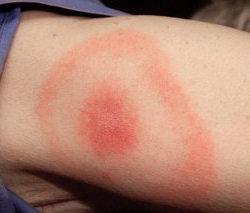
The Department of Agriculture, Food and the Marine (DAFM) is urging farmers to be aware of preventive measures against tick bites and Lyme disease, as the period of highest risk extends from spring to autumn. Lyme disease, a bacterial infection spread by infected ticks, can be contracted in various environments, including woodland clearings, grasslands, and walking paths. The HSE's Health Protection Surveillance Centre (HPSC) recommends covering exposed skin with long clothing, using repellents containing at least 20% DEET or picaridin on skin and 0.5% permethrin on clothing, and inspecting skin and clothes every three to four hours. After returning from tick-infested areas, showering within two hours and conducting a full-body tick check, including for children and pets, is advised. While only about 5% of ticks in Ireland are estimated to carry Lyme disease bacteria, prompt removal within 36 hours is crucial for prevention. Early symptoms often include a circular red rash, though not everyone develops it, and flu-like symptoms may also occur.