Key facts
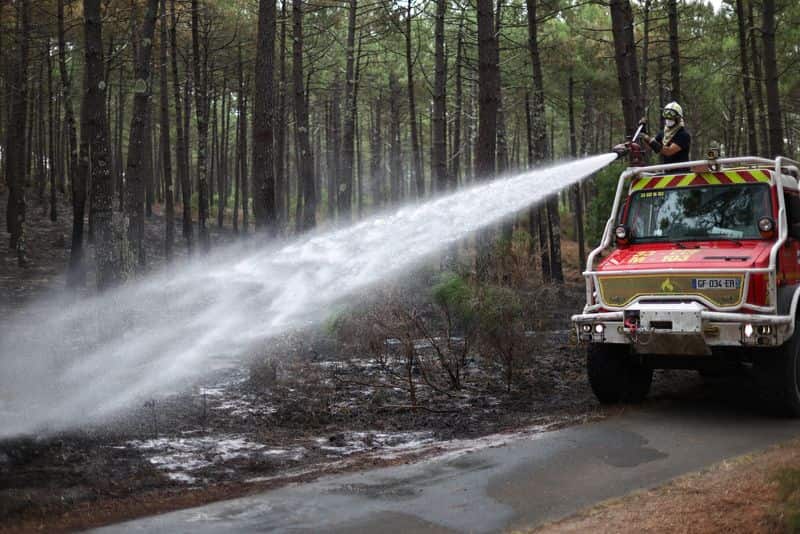
- Major wildfires near Bordeaux, France, and Madrid, Spain, have been contained, allowing some displaced residents to return home.
- Fires continue to burn on the Greek island of Crete and in western Spain, with strong winds hampering efforts.
- Europe has been ravaged by wildfires this summer due to successive record-breaking heatwaves and drought-parched vegetation.
- Human-caused climate change is confirmed to have created the hot and dry conditions leading to these extreme weather events.
- Thousands of tourists and locals have been evacuated from fires on Crete, with homes and farmland destroyed.
- Strong winds are making firefighting more difficult in Crete and western Spain.
Europe is experiencing a severe wildfire season, with France and Spain particularly affected by devastating blazes exacerbated by record heatwaves and drought conditions. While some fires near Bordeaux and Madrid have been contained, allowing residents to return, significant fires persist in Greece and western Spain. Strong winds are posing a major challenge to firefighters in these regions.
Recent scientific studies confirm that human-caused climate change has intensified the heat and dryness across the continent, creating tinderbox conditions. Europe's average temperature is significantly above its historical norm, making it the continent furthest from its typical climate. The smoke plumes from these fires are causing widespread air pollution, with concerns about fine particulate matter (PM2.5) impacting public health.
On the Greek island of Crete, crews are battling persistent hot spots and guarding against new outbreaks, with hundreds of tourists and locals evacuated. In Spain, emergency status has been lifted in some areas, but residents in others remain displaced. Fires in the Duero and Tormes river canyons in western Spain have forced evacuations and kept residents indoors due to strong winds.