Key facts
- The EU received a payment request from Ukraine for defense systems, including U.S.-made Patriot missile interceptors.
European Commission President Ursula von der Leyen confirmed the EU received a payment request from Ukraine for air defense systems, including U.S.-made Patriot interceptors. Member states are reviewing the request, with a decision anticipated on September 7.
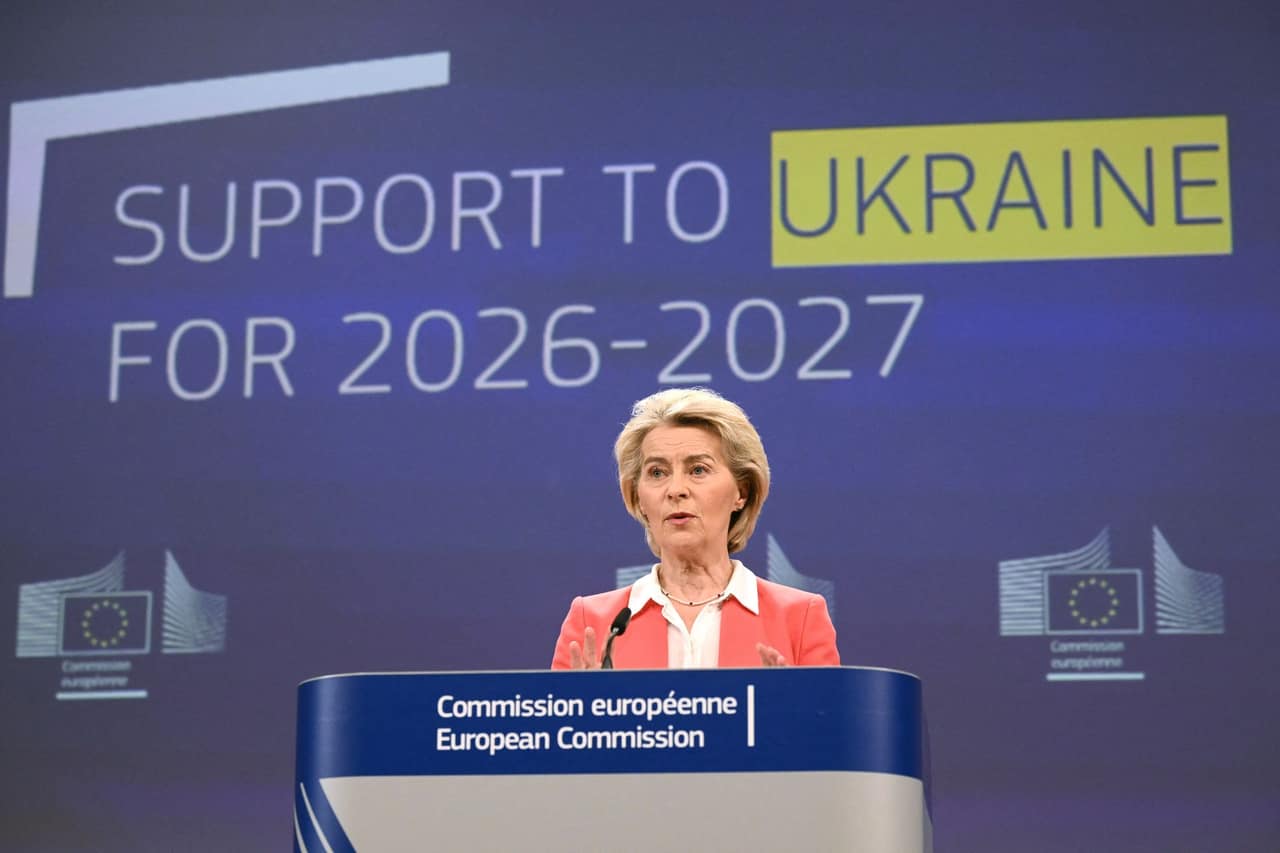
The EU's decision on Ukraine's request for Patriot missile interceptors is critical for bolstering Ukraine's air defense capabilities against Russian strikes, especially given the global shortage of these systems. The outcome will also signal the bloc's continued commitment to supporting Ukraine's military needs and navigating complex intra-EU approval processes for defense procurement.
European Commission President Ursula von der Leyen confirmed on August 2 that the EU has received a payment request from Ukraine seeking funds for air defense systems, notably including U.S.-made Patriot missile interceptors. The request, initially reported by The Kyiv Independent, was submitted by then-Defense Minister Mykhailo Fedorov before his dismissal on July 15.
Von der Leyen stated that member states are currently reviewing the request, which is valued at several billion euros and aims to bolster Ukraine's air defenses, including the PAC-3 system. She indicated that the request is "going in the right direction." A meeting of national representatives is scheduled for September 7 to formally consider the request.
Approval is not automatic due to provisions in the EU's €90 billion ($104 billion) loan to Ukraine, which mandate specific permission for purchasing defense products sourced significantly (over 35%) from outside the bloc or Ukraine. As PAC-3 interceptors are of American technology, this exemption is necessary. However, approval is anticipated, similar to a previous exemption granted for Ukraine to source Chinese components for drones.
The approval process requires a qualified majority of EU countries to oppose the request, meaning 55% of member states representing 65% of the EU's population would need to vote against it. Concurrently, EU foreign ministers are meeting in Ireland on September 7 to discuss potentially releasing some of their own Patriot missiles for Ukraine, addressing the global shortage of these interceptors.
Pick the topics you care about. Get only what matters, on your cadence.