Key facts
- Turkey and Iraq are negotiating a comprehensive energy cooperation agreement.
- Iraq has offered to supply Turkey with up to 1 million barrels of oil per day.
- Turkish Petroleum will acquire a 15% stake in BP's Kirkuk oilfield operations.
- The existing Kirkuk-Ceyhan pipeline agreement expired in July 2026.
- A new framework for managing the Euphrates and Tigris river system was signed.
Turkish President Recep Tayyip Erdoğan announced on Tuesday that Turkey is pursuing a comprehensive energy cooperation deal with Iraq, with Baghdad offering to supply up to 1 million barrels of oil per day. The announcement follows talks between Erdoğan and Iraqi Prime Minister Ali al-Zaidi in Ankara, occurring amidst concerns over global energy supply disruptions due to the closure of the Strait of Hormuz.
Ankara has initiated discussions with Baghdad for a new and expanded energy agreement, as Turkey's existing decades-old oil accord is set to expire in July 2026. This original agreement, dating back to 1973 and renewed in 2010, provides the legal basis for the crucial Kirkuk-Ceyhan pipeline, which transports Iraqi crude oil to the Mediterranean port of Ceyhan. The pipeline had been shut since March 2023 following an arbitration ruling against Turkey over Kurdish oil exports.
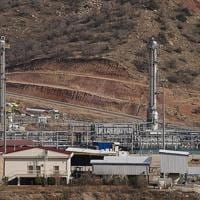
During the visit, Turkish Petroleum agreed to acquire a 15% stake in BP's operations at the Kirkuk oilfield, a move Erdoğan described as a historic step. The two leaders also discussed the $17 billion Development Road project, a corridor designed to connect Iraq's port of Basra to the Turkish border and onward to Europe, aiming to reduce dependence on Gulf shipping routes. Construction on this project could begin before the end of 2026.
Furthermore, the countries signed a new framework for managing the shared Euphrates and Tigris river system, set to take effect on September 1. This agreement aims to address long-standing tensions over water flow reductions downstream due to Turkish dams.