Key facts
- Egypt's foreign minister Badr Abdelatty hosted counterparts from Pakistan, Saudi Arabia, and Turkey in el-Alamein.
Egypt's foreign minister hosted counterparts from Pakistan, Saudi Arabia, and Turkey for quadrilateral talks in el-Alamein. The meeting, aimed at de-escalating regional conflicts, particularly the Israel-Gaza war, also discussed Iran's role and potential new regional order.
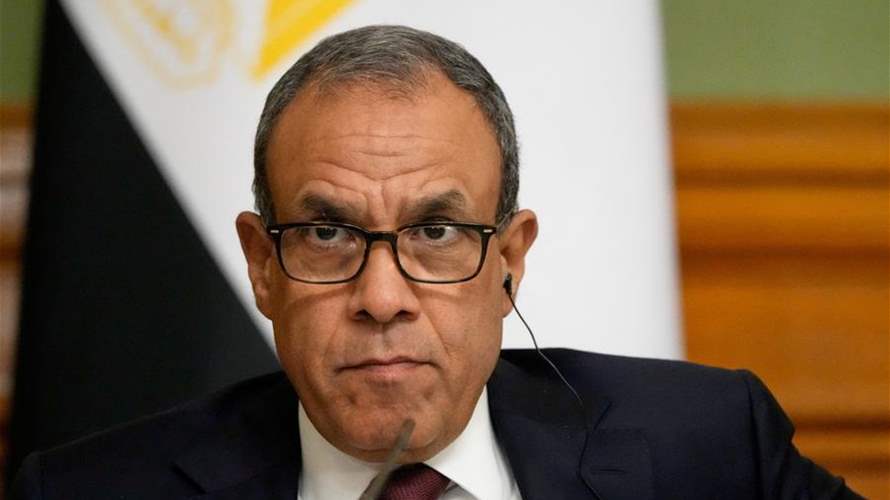
This meeting signifies a coordinated effort by key regional players to address escalating Middle East conflicts, potentially reshaping regional alliances and de-escalating tensions that threaten global stability and trade routes.
Egypt's foreign minister, Badr Abdelatty, hosted counterparts from Pakistan, Saudi Arabia, and Turkey in el-Alamein for quadrilateral talks. The meeting, which included expanded sessions and a joint press conference, aimed to de-escalate regional conflicts, particularly the Israel-Gaza war, and potentially foster a new regional order.
The discussions focused on mediating the ongoing conflicts, with a specific emphasis on Iran's role and its relationship with regional and global powers. The quartet seeks to curb Israeli and Iranian dominance in the region following the war.
Significant progress was reported, including an agreement from Iran to allow Pakistani-flagged vessels passage through the Strait of Hormuz, a modest confidence-building measure. The group also established itself as a primary interlocutor with Iran, aiming to maintain indirect negotiation channels with the United States.
Following the meeting, Pakistan's foreign minister, Mohammad Ishaq Dar, traveled to China to brief Beijing on the crisis, indicating a potential role for China as a guarantor of any future agreement.
The formation of this quartet, including Saudi Arabia, is seen by diplomats as the embryo of a new order, with its members keeping options open amidst complex geopolitical dynamics.