Key facts
- ECB policymakers believed a further interest rate hike was probable at their July meeting.
- The central bank kept its key interest rates unchanged at the July meeting.
European Central Bank policymakers indicated that another interest rate hike was likely at their July meeting, driven by concerns over persistent inflation risks, particularly from surging energy prices due to geopolitical tensions.
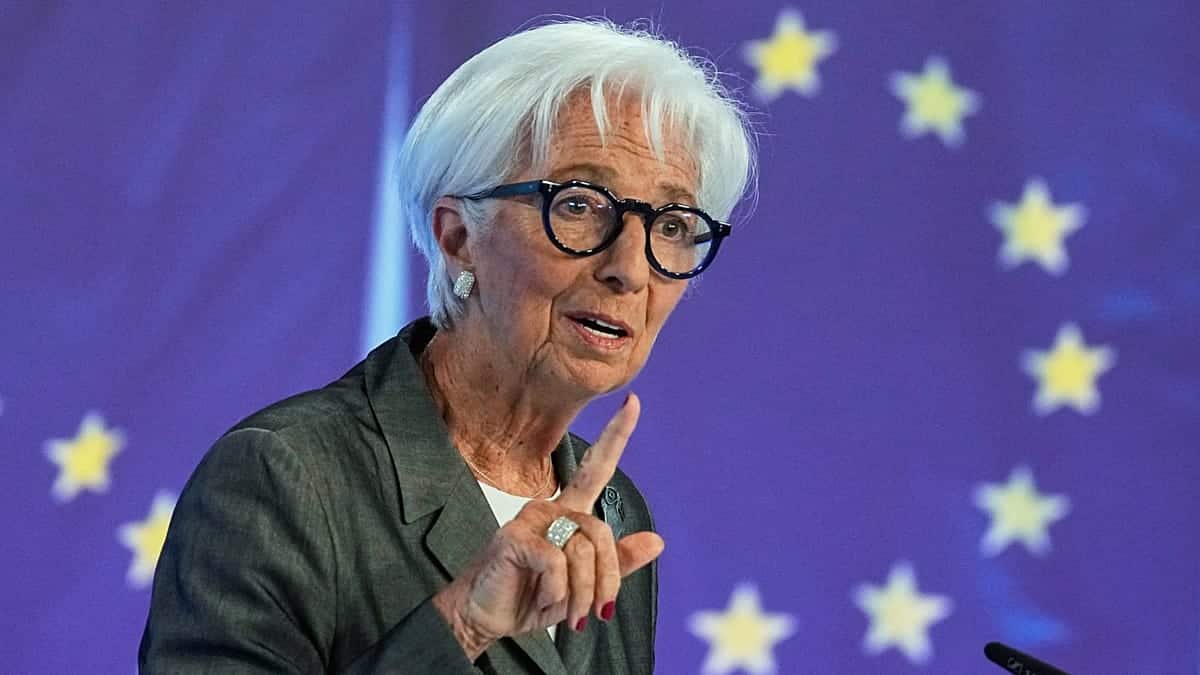
The ECB's internal discussions reveal a heightened concern over inflation, particularly from energy price shocks, indicating that further rate hikes remain a possibility despite the decision to hold rates steady in July. This uncertainty could impact borrowing costs and economic activity across the Eurozone.
European Central Bank policymakers believed a further interest rate hike was likely at their July meeting, according to the minutes released. This assessment was influenced by persistent inflation risks, particularly stemming from the volatile energy price outlook due to geopolitical developments, including the Iran war.
Despite this internal view, the Governing Council ultimately decided to keep the three key ECB interest rates unchanged at their July meeting. The rates on the deposit facility, main refinancing operations, and marginal lending facility remain at 2.25%, 2.40%, and 2.65%, respectively. Policymakers are closely monitoring the intensity and duration of the energy shock and its indirect effects, emphasizing a data-dependent, meeting-by-meeting approach.
ECB President Christine Lagarde noted during her press conference that surging oil prices could significantly shape the decision on interest rates at the September meeting, leaving the door open for another hike. This comes after a period of optimism regarding cooling inflation and a ceasefire between the US and Iran, which had previously led to a sharp drop in crude oil prices. However, the renewed conflict and its impact on commodity markets have altered the outlook.
The central bank reiterated its commitment to ensuring inflation stabilizes at its 2% target in the medium term and stands ready to adjust its instruments as needed. The APP and PEPP portfolios are continuing to decline at a measured pace.
Pick the topics you care about. Get only what matters, on your cadence.