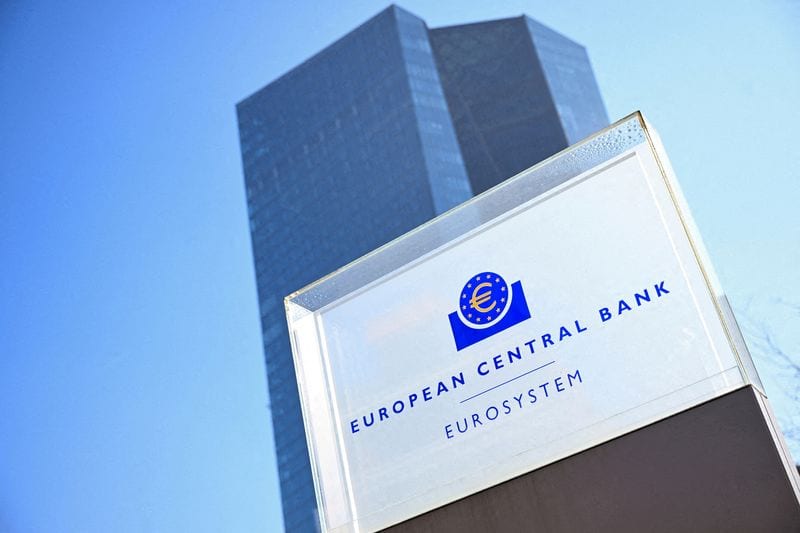
European Central Bank policymakers are prepared to implement another interest rate hike at their upcoming meeting in September, aiming to curb inflation exacerbated by the ongoing conflict in the Middle East and rising energy prices. However, sources familiar with the discussions indicate a limited inclination to signal any further tightening beyond this anticipated move.
The central bank previously increased borrowing costs in June, marking its first hike in nearly three years, in an effort to prevent energy price surges from broadly impacting the Eurozone economy. With inflation hovering near 3%, the continued conflict in the Middle East, and signs of economic resilience in the Eurozone, ECB governors are leaning towards raising the policy rate from 2.25% to 2.50%, according to three sources speaking on condition of anonymity.
This potential hike is seen as a demonstration of the ECB's commitment to avoiding a repeat of the severe inflation experienced in 2022 following Russia's invasion of Ukraine. Policymakers have identified rising natural gas and petrol prices as significant contributors to current inflation. They also note that the Eurozone economy is performing better than initially expected, suggesting that the ECB's efforts to control price increases are not unduly hindering economic activity.
Despite these factors, long-term inflation expectations remain stable and aligned with the ECB's 2% target. Consequently, policymakers do not see a need to provide forward guidance suggesting further tightening beyond the September decision. Financial markets, however, are anticipating one or two additional rate increases. A clearer picture is expected to emerge with the release of August inflation data next week, followed by updated economic projections ahead of the September 9-10 meeting.