Key facts
- Dunelm's new CEO, Clo Moriarty, stated that record summer heatwaves have negatively impacted sales.
- The company has launched a new 'winning hearts and homes' strategy to address slowing growth and increased competition.
- Dunelm reported a pre-tax profit of £211 million for the year to June, unchanged from the previous year.
- Revenue increased by 3.1% to £1.8 billion.
- The retailer plans to open around 10 new stores annually for the next three years, supported by £125 million in capital expenditure.
- Cost-cutting targets of £100 million over three years have been set.
Dunelm, the largest player in the UK's £25 billion homeware and furniture market, has reported that record summer heatwaves have impacted its recent trading performance. Clo Moriarty, who took over as CEO last October, stated that the unusually hot weather drove shoppers away from high streets, causing softer trading in the first six weeks of the financial year.
Moriarty unveiled a new strategy, 'winning hearts and homes,' aimed at revitalizing the FTSE-250 group. She highlighted that sales growth and market share gains have slowed due to intensified competition, elevated inflation and interest rates, and global uncertainty, leading consumers to be more cautious with spending.
For the year ending June, Dunelm posted a pre-tax profit of £211 million, flat compared to the previous year, while revenue saw a modest increase of 3.1% to £1.8 billion. The company's research indicates that only 15% of the population shops frequently at Dunelm, and even its most loyal customers direct 80% of their homeware spending elsewhere.
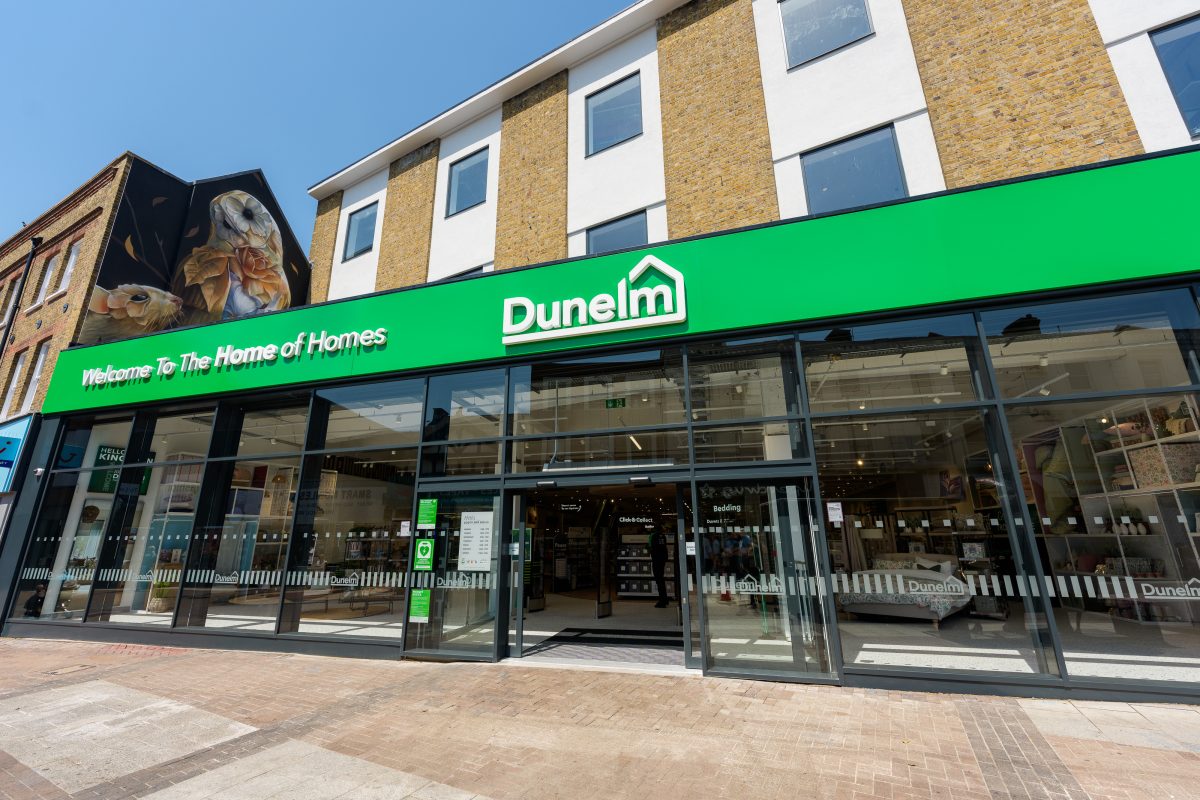
Under the new strategy, Dunelm plans to accelerate its store expansion, targeting approximately 10 new openings annually for the next three years, backed by £125 million in new capital expenditure. The retailer will also focus on enhancing its reputation for affordability and simplifying its product range to increase customer loyalty and spending volume. Furthermore, Dunelm intends to utilize artificial intelligence to automate its supply chain and reduce reliance on a smaller group of providers.
The company is aiming for £100 million in cost savings over the next three years, noting that wage inflation has been a significant headwind, with employee costs rising by £85 million in the last four years. Moriarty acknowledged that the turnaround plan will contend with a challenging UK retail environment characterized by geopolitical uncertainty, high interest rates, inflation, and a shifting political landscape, all of which continue to weigh on consumer confidence and discretionary spending.