Key facts
- Polish Prime Minister Donald Tusk condemned xenophobic attacks against Ukrainians.
- Two suspects were arrested for a brutal attack on a Ukrainian couple in Wroclaw.
- Police are searching for a third assailant in the Wroclaw attack.
Polish Prime Minister Donald Tusk called for an end to xenophobic attacks against Ukrainians in Poland, following a recent brutal assault on a Ukrainian couple. The incident highlights rising anti-Ukrainian sentiment fueled by disinformation and diplomatic disputes.
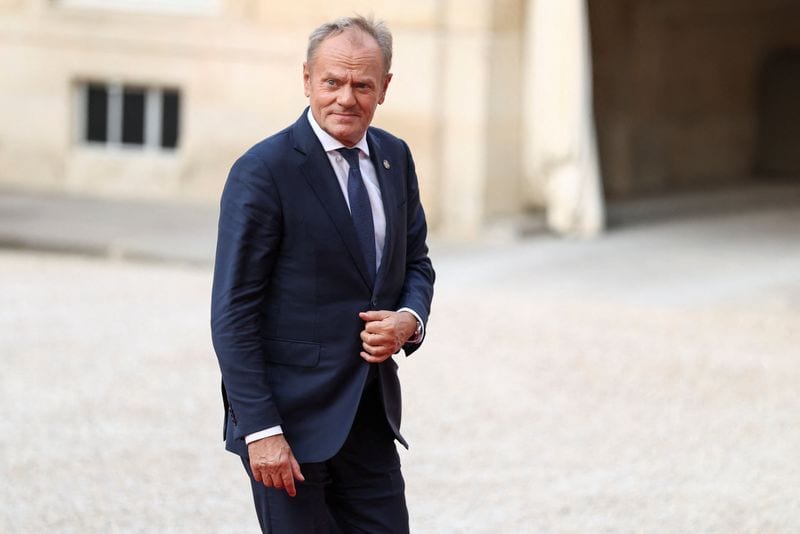
The rising tide of hate crimes against Ukrainians in Poland, coupled with official condemnation, signals a growing challenge for social cohesion and bilateral relations, potentially impacting regional stability and support for Ukraine.
Polish Prime Minister Donald Tusk has called for an end to xenophobic attacks against Ukrainians in Poland, following a recent brutal assault on a Ukrainian couple in Wroclaw. Tusk stated that such acts are against Poland's interests and benefit Russia. The incident is part of a broader trend of increasing hostility towards Ukrainians in Poland, with police reporting a 30% rise in hate crimes against them in the first half of 2026.
Relations between Poland and Ukraine have been strained by historical disputes, including Ukraine's decision to name a military unit after the controversial World War II-era Ukrainian Insurgent Army (UPA). This has led to a shift in public opinion, with a majority of Poles now reportedly opposing the acceptance of Ukrainian refugees. Disinformation campaigns, allegedly including Russian efforts, are also cited as a factor fueling anti-Ukrainian sentiment and violence.
Several other incidents have been reported, including a Polish man being beaten for defending a Ukrainian boy, and assaults on Ukrainian girls by Polish individuals. Ukraine's ambassador to Poland has condemned these attacks and called for perpetrators to be brought to justice.
Pick the topics you care about. Get only what matters, on your cadence.