Key facts
- A court in Guangzhou has accepted a bankruptcy liquidation case for Hengda Real Estate Group, a key unit of China Evergrande.
- The decision came one day after Evergrande founder Hui Ka Yan was sentenced to life in prison for financial crimes.
- Hui's personal assets were ordered confiscated by the Shenzhen court.
- Liquidators are seeking $8.4 billion from accounting firm PwC for its role in auditing Evergrande's financial statements.
- Evergrande overstated revenues by approximately $80 billion over 2019-2020.
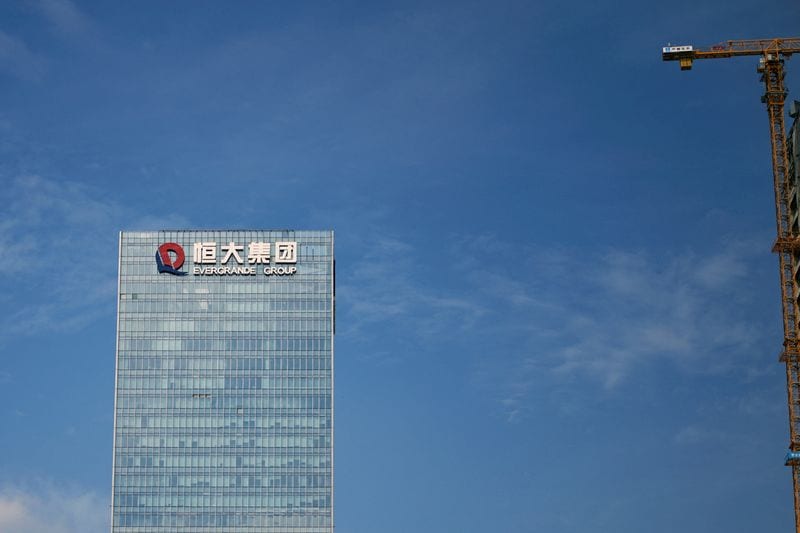
A court in southern China's Guangzhou has accepted a bankruptcy liquidation case against Hengda Real Estate Group, the mainland Chinese property development unit of the collapsed Evergrande empire. This move signals a significant step in the government's efforts to wind down the affairs of the developer, which once had liabilities of approximately $300 billion.
The court's decision came just one day after Evergrande's founder, 67-year-old Hui Ka Yan, was sentenced to life in prison for financial crimes. Dozens of others connected to the group, including Hui's sons, also received prison sentences ranging up to 18 years, and Hui's personal assets were ordered confiscated.
Industry experts suggest these actions indicate a potential roadmap for resolving the Evergrande saga, though the bankruptcy proceedings are expected to be lengthy due to the company's size and the differing legal systems between Hong Kong and mainland China. Hong Kong-appointed liquidators face limitations in recovering assets located primarily in mainland China.
Liquidators are pursuing claims against Hui's fortune and are also seeking $8.4 billion from accounting firm PwC for its alleged role in auditing Evergrande's financial statements. Investigations revealed Evergrande overstated revenues by approximately $80 billion over 2019 and 2020. PwC has faced substantial fines in both Hong Kong and mainland China related to these audits.
Creditors are expected to recover only a fraction of the amounts owed, with estimates suggesting single-digit percentages of Evergrande's total liabilities. The collapse of Evergrande, triggered by regulatory crackdowns on excessive borrowing in 2020, contributed to a prolonged downturn in China's real estate market, which previously accounted for about a quarter of the country's economy.