Key facts
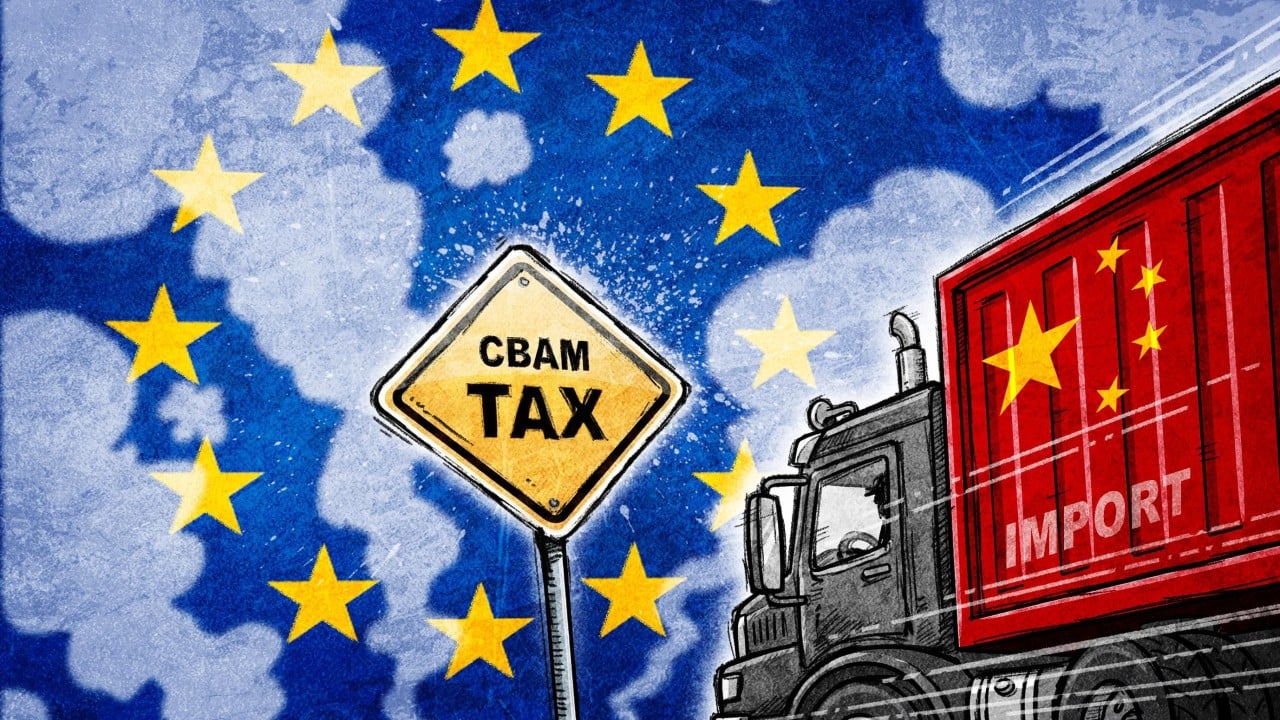
- The EU's Carbon Border Adjustment Mechanism (CBAM) requires detailed carbon intensity data for imports.
- Chinese steel firms are struggling with CBAM's complex reporting requirements.
- Non-compliance with CBAM can result in EU market access being denied.
- The policy aims to prevent 'carbon leakage' and ensure fair competition.
- China's large trade surplus with the EU is increasing trade tensions.
Chinese manufacturers, particularly steel firms, are facing significant administrative burdens and uncertainty due to the European Union's Carbon Border Adjustment Mechanism (CBAM), which entered its implementation phase in January. The system requires detailed technical data on the carbon intensity of imported goods, and non-compliance risks blocking exports to the lucrative EU market.
This regulatory hurdle comes amid rising trade tensions between Beijing and Brussels, fueled by China's substantial and growing trade surplus. Last year, China's surplus reached a record $1.19 trillion, with exports to key EU markets like Germany showing significant year-on-year increases while imports from Europe lag. This imbalance has raised concerns in Europe about a potential 'China shock 2.0' that could harm local industries, putting pressure on the EU to enact stronger protections against what are perceived as unfair trade practices.
Chinese companies are attempting to navigate this complex environment, with initiatives like the 'Big Market to All, Export to China' forum aimed at promoting imports and safeguarding the multilateral trade system. However, the immediate challenge for many firms, especially in the steel sector already operating on thin margins, is the intricate compliance required by CBAM, which critics argue generates extensive red tape.