Key facts
- China's tightening export controls on rare earths and critical minerals are hindering the EU's defense rearmament plans.
- The EU imports 99% of its rare earths and 98% of its rare earth permanent magnets from China.
- These minerals are essential for defense systems, including motors, sensors, and guidance systems in fighter jets and missiles.
- The EU is developing a new 'RESourceEU' plan to diversify its supply of critical raw materials.
- Previous efforts to secure these materials have been challenged by the long lead times and significant funding required for mining and processing projects.
The European Union's ambitions to bolster its defense capabilities are facing significant hurdles due to China's tightening export controls on critical raw materials, particularly rare earths. These minerals are vital for advanced defense systems, including those used in fighter jets and missiles, and the EU is heavily reliant on China for their supply.
Commission chief Ursula von der Leyen has announced a new action plan, 'RESourceEU,' aimed at diversifying the bloc's supply chains for critical raw materials. This initiative seeks to replicate the success of the REPowerEU plan, which diversified energy sources away from Russia. The new plan is expected to focus on joint purchasing, stockpiling, recycling, and forging new international partnerships. However, concerns remain that without substantial financial backing, the plan could merely be a rebranding of existing strategies.
Previous EU efforts, such as the Critical Raw Materials Act, have struggled due to the long timelines and substantial capital required for mining and processing projects. The EU imports 99% of its 17 rare earths and 98% of its rare earth permanent magnets from China, highlighting a critical dependency. The current geopolitical climate, marked by trade tensions and Russia's war in Ukraine, has spurred increased defense spending across EU member states, projected to reach 381 billion Euros in 2025. This presents a strategic opportunity for the EU to channel funds into securing its own rare earth supply chains.
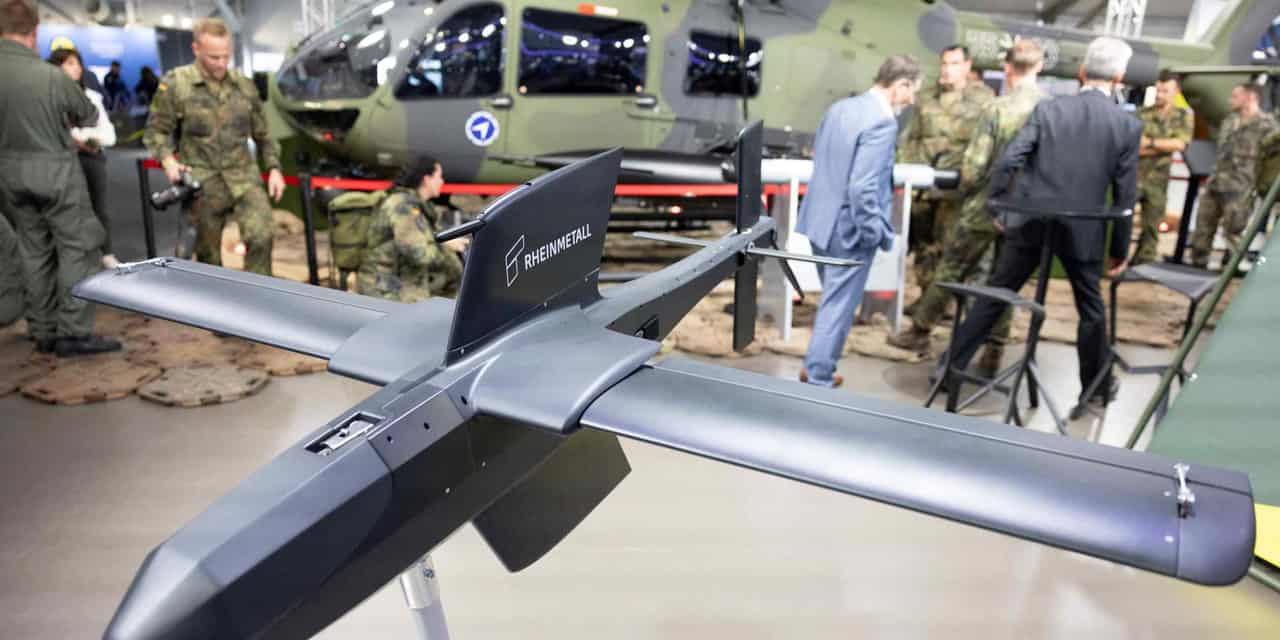
Companies like Germany's Rheinmetall are already repurposing automotive plants for weapons manufacturing, underscoring the urgency for secure material supplies. The EU's reliance on China for these materials is a long-standing issue, but Beijing's recent actions have brought the problem to the forefront, forcing Brussels to seek more resilient and diverse sources.