Key facts
- China's gaokao, a crucial college entrance exam, is being held from June 7-10.
- Female students face challenges with menstrual cycles during the exam.
- An estimated 30% of female candidates may have periods overlapping with the test.
- Some students use contraceptives to postpone their periods.
- The gaokao is a highly competitive, multi-day exam that determines university admission.
- Over 13 million students took the exam in 2024, with a low university admission rate.
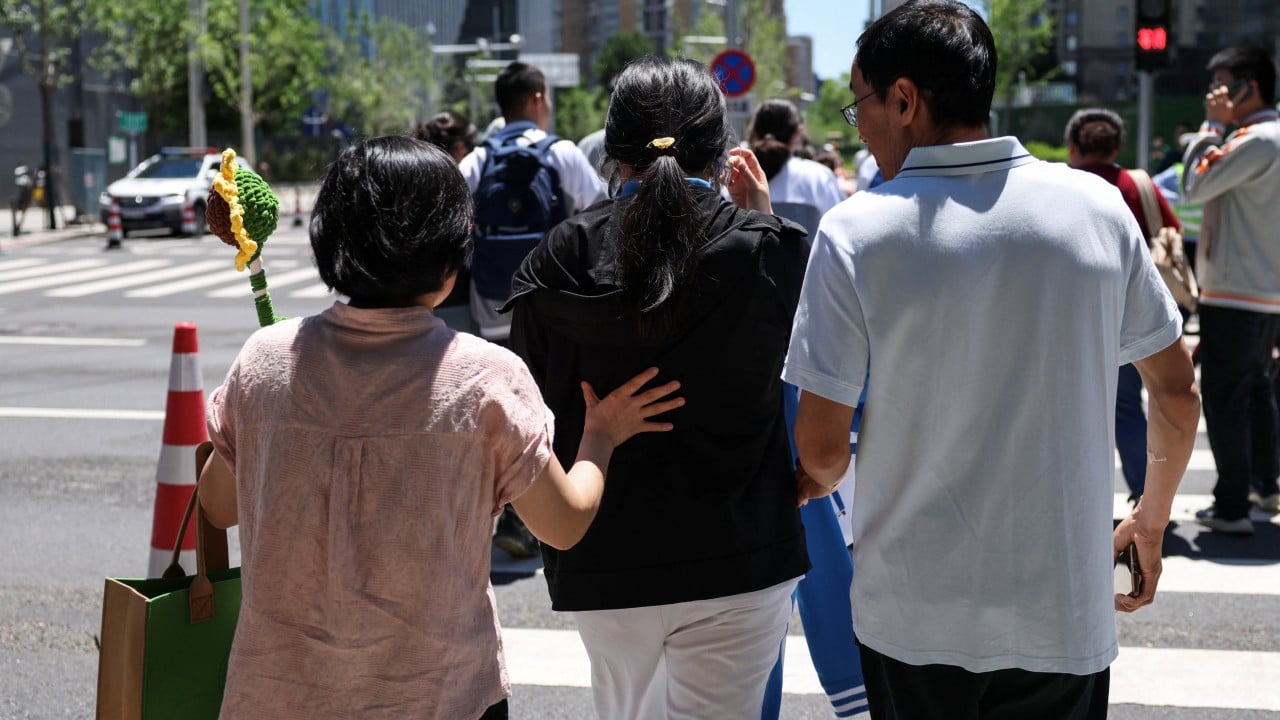
China's gaokao, the national college entrance exam, is facing increased scrutiny over the unique challenges encountered by female students, particularly concerning their menstrual cycles during the high-stakes test. Held annually in June, the multi-day, intensive exam is a life-defining event for millions of Chinese students, determining their university admission prospects.
Data suggests that a significant portion of female candidates, estimated at around 30%, may have their periods coincide with the exam dates. In response, many young women reportedly seek contraceptives or traditional remedies to postpone their menstruation, aiming to avoid discomfort and maintain focus during the demanding examinations. This practice highlights the immense pressure students face to succeed in an exam known for its difficulty and selectivity.
With 13.35 million students registered for the 2024 gaokao, the competition is fierce. The exam covers six subjects, including compulsory mathematics and languages, with students choosing others from science and humanities. The difficulty of some questions has been noted to exceed high school level, and the exam serves purely as a ranking mechanism for university admissions, unlike general ability tests in other countries. Only about 40% of test-takers typically qualify for university, and admission to prestigious institutions is exceptionally competitive.
To prepare, students often dedicate over 60 hours a week to studying, sometimes foregoing regular schooling for intensive private tutoring. The intense academic pressure has been linked to significant mental health tolls, with reports indicating that academic stress contributes to a substantial number of student suicides in some cities. Education authorities remain vigilant, implementing measures to ensure a secure and disruption-free examination environment.