Key facts
- China's autonomous driving sector is moving from marketing hype to a high-stakes reality.
- New safety standards will distinguish between driver assistance and true autonomous driving.
- Companies like Pony.ai are expanding robotaxi services in China, aiming for large-scale commercialization.
- Technological progress and supportive regulations are driving the industry forward.
- China is expected to become the world's largest market for self-driving vehicles.
China's once-hyped autonomous driving sector is now facing a critical juncture, with upcoming safety standards poised to separate advanced driver assistance systems from true self-driving capabilities. This shift is expected to trigger a significant shakeout, weeding out weaker players and consolidating the market. For years, Chinese automakers have employed marketing bravado and coined jargon like 'Level 2++' to compete with the perceived advancements of companies like Tesla. However, the focus is now moving towards tangible technological progress and regulatory clarity.
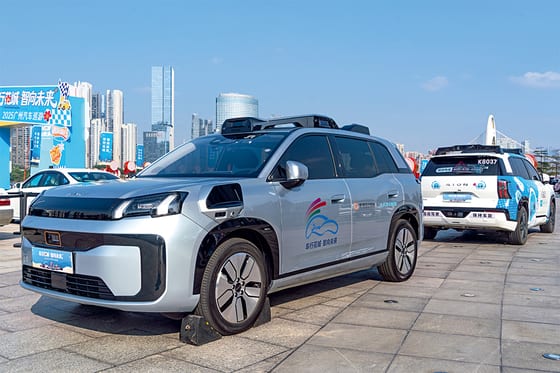
Pony.ai, a prominent Chinese autonomous driving startup, is at the forefront of this transition. The company operates nearly 100 robotaxis in Beijing's E-Town and plans to scale its fleet to over 1,000 vehicles in a single city to achieve operational break-even. Pony.ai is also collaborating with Toyota to integrate autonomous driving technology directly into the car manufacturing process, enhancing efficiency. Beyond passenger transport, the company is expanding its autonomous driving solutions to cargo transport with electric robotrucks.
China has been actively fostering the development of autonomous driving, listing AI as a strategic industry. The country has conducted numerous robotaxi pilots and has approved commercial autonomous driving services in major cities. Global consulting firm McKinsey & Company projects China to become the world's largest market for self-driving vehicles by 2030, with revenues potentially exceeding $500 billion. This growth is fueled by technological advancements, supportive government policies, and increasing investor enthusiasm, making the widespread commercial use of autonomous driving appear more inevitable than ever, despite past missed timelines from industry leaders like Elon Musk and setbacks such as the Cruise incident.