Key facts
- China is implementing new rules requiring national security screening for Chinese companies investing overseas.
- New regulations allow authorities to intervene in foreign companies relocating supply chains from China.
- These measures aim to prevent the outflow of money, technology, and companies from China.
- The rules categorize overseas investments into encouraged, restricted, or prohibited.
- Beijing has also previously blocked foreign acquisitions of Chinese AI companies and instructed domestic firms not to comply with US sanctions or EU investigations.
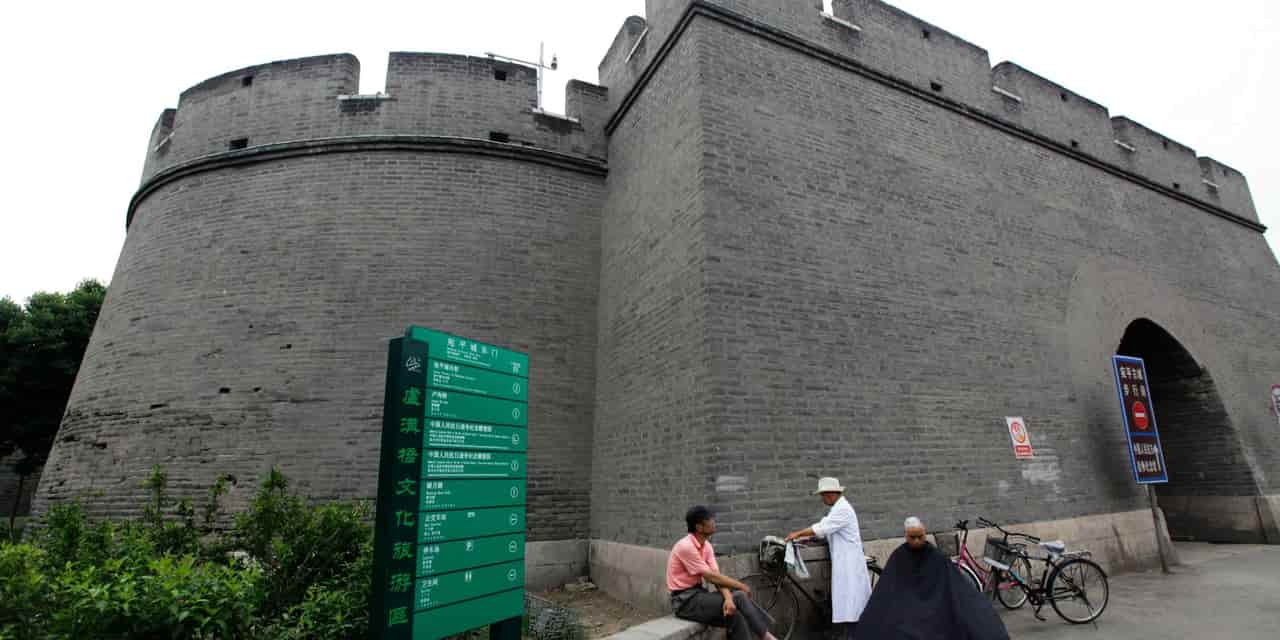
China is increasingly erecting economic walls to prevent the movement of money, technology, and companies out of the country, a strategy described as building an "economic fortress." Last week, China's Cabinet, the State Council, announced new rules mandating national security screenings for Chinese firms looking to invest abroad. This follows regulations introduced in April that empower authorities to intervene if foreign companies attempt to shift supply chains away from China.
These combined measures represent a new approach for China's economy, focusing on securing its technology and supply chains amidst escalating tensions with the United States and Europe. This shift signifies a departure from the decades-long principles of open markets and free trade, ushering in an era of greater economic fragmentation. Major economies globally are increasingly adopting trade barriers due to concerns about China's extensive influence in raw materials, manufactured goods, and technology.
Ben Kostrzewa, a trade expert at Hogan Lovells, noted that the global economic landscape has moved away from facilitating the free flow of capital, people, technology, and trade. He described the once-popular concept of a "Chimerica" economy as "chimerical." China has already demonstrated its willingness to assert control, having blocked Meta's acquisition of an AI company, instructed domestic refineries not to comply with US sanctions, and prevented a state-backed security firm from cooperating with EU investigators.
These actions are seen as Beijing's response to tariffs and restrictions imposed by foreign governments, with new powers allowing retaliation against foreign entities. The national security reviews for overseas investments will categorize them as encouraged, restricted, or prohibited, aiming to retain money, talent, and intellectual property within China, particularly in competitive sectors. Foreign businesses operating in China are concerned that these rules could be broadly interpreted, potentially impacting data sharing required for international reviews.