Central banks are facing a critical juncture as they grapple with persistent supply shocks that are driving inflation into a more volatile regime than seen in four decades. Discussions at the International Monetary Fund and World Bank annual meetings in Bangkok highlighted the limitations of conventional monetary policy in this environment.
The US has experienced core inflation significantly above the Federal Reserve's 2% target for over five years. In May, annual inflation reached 4.2%, its highest rate in three years, fueled by rising energy costs and stubborn services inflation. Similar trends are observed across most developed nations.
On June 11, the European Central Bank implemented a quarter-percentage-point interest rate hike, citing inflationary pressures from the Middle East conflict. Some Federal Open Market Committee members are pushing for a more balanced outlook on rates, potentially including future hikes.
ECB President Christine Lagarde has warned that the period of relative stability may be yielding to lasting instability, characterized by lower growth, higher costs, and uncertain trade partnerships. She emphasized the need for central banks to avoid repeating the mistakes of the 1970s by failing to anchor inflation expectations.
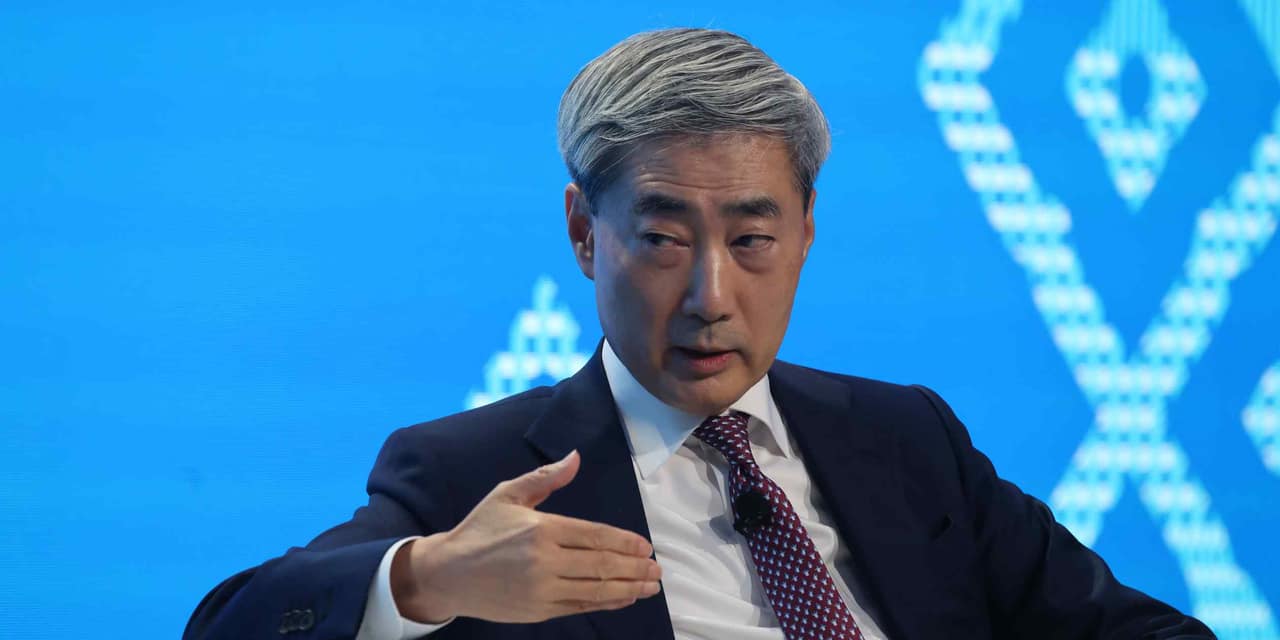
Bank of Korea Governor Shin Hyun-song commented that currency appreciation can bolster household purchasing power and help shift economic focus from exports to the domestic sector, underscoring the importance of exchange-rate stability alongside inflation control.