Key facts
- Cambodia's central bank has denied a request to extend loan forbearance measures until the end of 2026.
- The central bank believes extending these measures could obscure underlying credit issues and hinder economic growth.
- Forbearance periods for individuals displaced by conflict are ending, requiring them to resume loan payments.
- Affected individuals report significant financial distress due to job losses and destroyed livelihoods.
- An economist has proposed the creation of an asset management company to manage the country's bad loans.
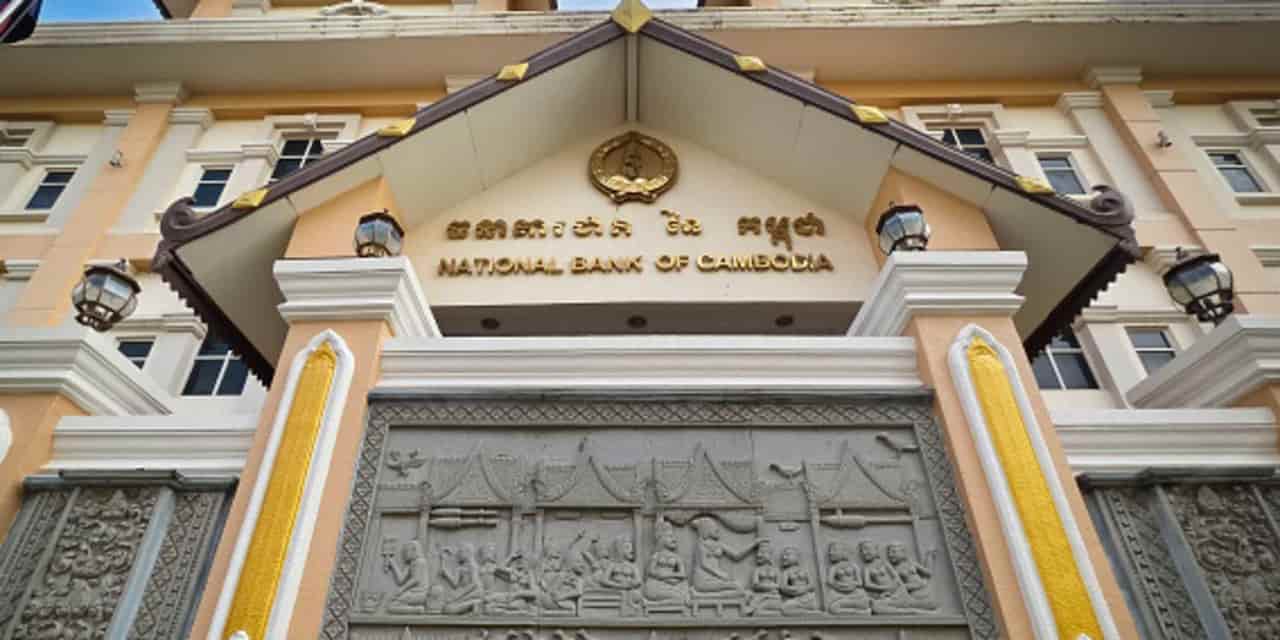
The National Bank of Cambodia has rejected a request from financial institutions to extend loan forbearance measures until the end of 2026, citing concerns that such an extension could mask credit weakness and negatively impact economic growth. The central bank's decision means that individuals who have benefited from suspended loan or interest repayments may have to resume payments as their forbearance periods conclude.
For some displaced individuals, the end of these measures is causing significant distress. Voeun Sinoun, who owes approximately $2,200 to two institutions, faces a monthly payment of about $200 and has been unable to earn income for months due to displacement. Similarly, Han Chantha, a former migrant worker, is struggling to find work and fears she will be unable to make her loan payments.
These individuals have urged for an extension of the forbearance period until the country achieves greater peace and stability, allowing displaced people to find work and secure an income. The National Bank of Cambodia had previously urged institutions to suspend loan payments for those displaced by conflict and consider debt cancellation for families of fallen soldiers.
Separately, an economist has suggested that Cambodia should establish an asset management company to address the heightened level of bad loans within its banking sector.