All NewsEducationTVBrokers
Equities & FundsCrypto & Digital AssetsAI & TechnologyBusiness & CorporateUS Politics & PolicyGeopolitics & Global RiskMacro, Rates & FXCommodities & EnergyEuropean Politics & MarketsAsia-PacificReal Estate & Property
All NewsHome
← Back to Macro, Rates & FX

Fed Chair Warsh signals potential rate hike amid inflation concerns

Created at 31 Aug · 4:58 PM1 source↑ Market-relevant
IN SHORT

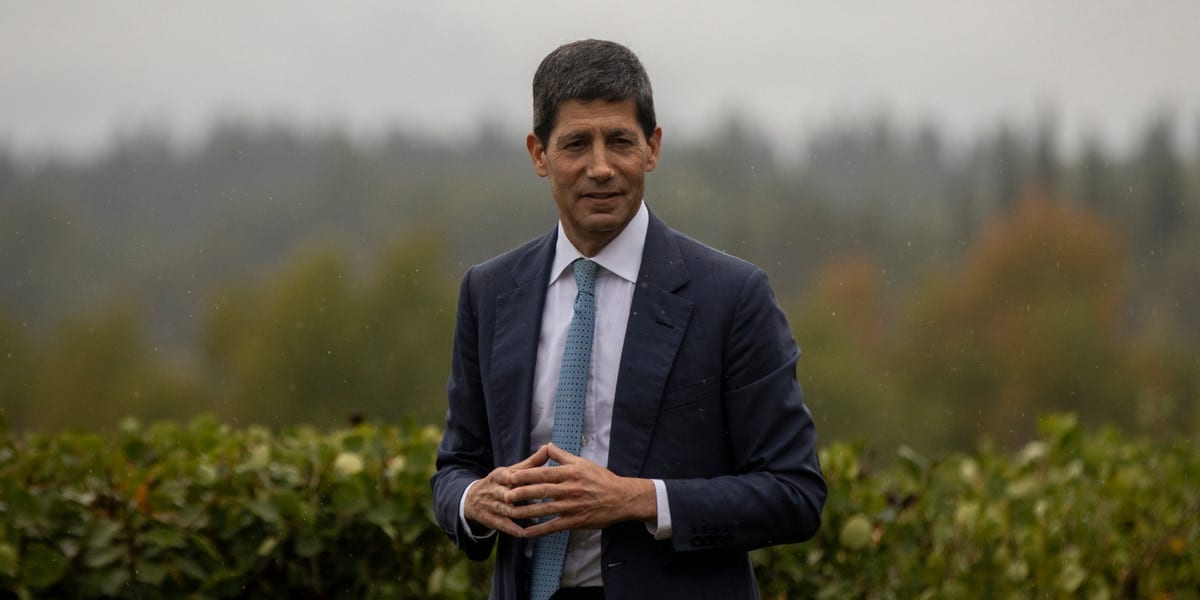
Federal Reserve Chair Kevin Warsh, known for his reticence on monetary policy, offered a clearer signal at the Jackson Hole symposium, suggesting a potential interest rate hike next month due to persistent high inflation. His remarks provided markets with a 'reaction function' rather than explicit forward guidance.

Key Numbers

3.50%-3.75%Fed policy rate range
2%Fed's inflation target

Who's Involved

Kevin Warsh
Federal Reserve Chair who spoke at Jackson Hole
Nathan Sheets
Global Chief Economist at Citigroup
Robert Tetlow
Research economist and former Fed staffer
John Williams
New York Fed President
Beth Hammack
Cleveland Fed President
Austan Goolsbee
Chicago Fed President
Patrick Harker
Former Philadelphia Fed President, now professor

↳ Why This Matters

Warsh's tempered approach to communication signals a potential shift in the Federal Reserve's policy signaling strategy, offering markets greater clarity on the central bank's reaction function to inflation and potentially influencing future rate decisions and market expectations.

Key facts

  • Federal Reserve Chair Kevin Warsh indicated that confidence in inflation moving towards the central bank's objective is crucial.
  • He stated that if inflation is not moving sufficiently, 'we have work to do,' implying potential policy action.
  • Warsh's remarks at the Jackson Hole symposium were interpreted by markets as increasing the probability of an interest rate hike at the September policy meeting.
  • This shift represents a departure from Warsh's previous stance of avoiding explicit guidance on monetary policy.
  • Other Federal Reserve officials have expressed support for clearer communication to aid economic decision-making and reduce market volatility.

Federal Reserve Chair Kevin Warsh, previously known for his reluctance to provide explicit guidance on monetary policy, offered a more discernible signal regarding the economic outlook and potential interest rate adjustments. Speaking at the Kansas City Fed's annual economic symposium in Jackson Hole, Wyoming, Warsh communicated that confidence in inflation moving towards the central bank's objective is essential, and that 'we have work to do' if it is not.

These remarks were interpreted by financial markets as a significant shift, increasing the perceived odds of an interest rate hike at the upcoming Federal Open Market Committee (FOMC) meeting on September 15-16. While Warsh maintained his preference for a 'quieter Fed' and cautioned against explicit forward guidance, his explanation of his 'reaction function' provided markets with enough information to reprice the outlook for tighter monetary policy, influencing futures markets, bond yields, and stock prices.

Economists and Fed officials offered varied perspectives on Warsh's communication. Nathan Sheets of Citigroup found the diagnosis helpful, marking a step forward from previous press conferences. Robert Tetlow, a former Fed staffer, suggested Warsh's concerns about guidance distorting market pricing might be overstated but acknowledged the value of his economic assessment. Other Fed officials, such as New York Fed President John Williams and Cleveland Fed President Beth Hammack, have previously advocated for clearer communication as a tool for accountability and better policymaking, with Chicago Fed President Austan Goolsbee arguing that a lack of explanation can lead to increased market volatility.

Frequently asked questions

Kevin Warsh was known for his disdain for signaling the monetary policy outlook and generally avoided providing explicit forward guidance.

He stated that confidence in inflation moving towards the Fed's objective is necessary and that 'we have work to do' if it is not, implying potential policy action.

Markets interpreted his remarks as increasing the likelihood of an interest rate hike at the September policy meeting.

Some officials believe clearer communication enhances accountability, aids businesses and households in making informed decisions, and can reduce market volatility.

What Happens Next

01Federal Reserve's September 15-16 policy meeting.
CME Headlines
  • Euro futures fall as short-term yields rise after Jackson Hole.
    28 Aug · 11:51 PM
  • Euro futures fall as short-term yields rise after Jackson Hole.
    28 Aug · 11:51 PM
  • A surging 2-Year yield and 3.7% PCE set up August jobs data.
    28 Aug · 11:44 PM

How It Developed

Federal Reserve Chair Kevin Warsh spoke at the Jackson Hole economic symposium.
Warsh stated confidence in inflation moving towards the Fed's objective is necessary.
He indicated that if inflation is not moving sufficiently, 'we have work to do.'
Markets interpreted Warsh's remarks as increasing the likelihood of a rate hike in September.
Other Fed officials, including John Williams and Beth Hammack, have previously supported clearer communication.
Chicago Fed President Austan Goolsbee argued that a lack of explanation can increase market volatility.

Sources

T1
Warsh's 'quieter Fed' now includes a smidgen of guidanceReuters

Related Stories

Dollar Near Two-Week High on Rate Hike Bets; Yen Slips Past 160
30 Aug · 10:30 PM
Asian shares mixed, oil surges on US-Iran tensions
31 Aug · 12:41 AM
Markets Face Busy Week: Jobs Data, Central Banks, and G20 Meeting
31 Aug · 6:20 AM
Dollar near two-week high on Fed rate hike bets; yen weakens
31 Aug · 9:06 AM
Japan bond yields rise to 30-year high, yen weakens after Fed signals
31 Aug · 3:21 AM