Key facts
- Prime Minister Andy Burnham stated the UK has taken "wrong turns" over the last 40 years, compounded by Brexit, leading to low growth.
- Burnham promised "substantial change" and a new sense of optimism for the country.
- The government's priorities include cutting costs of essentials, community regeneration, and greater public control of water, housing, and energy.
- Burnham hinted at a commitment to spending 3% of GDP on defence by 2030.
- He suggested electoral reform could be considered if a consensus is achieved.
- Burnham will attend the Cop31 climate summit and continue pursuing green energy pragmatically.
- Former Prime Minister Keir Starmer announced his resignation as an MP to focus on international affairs.
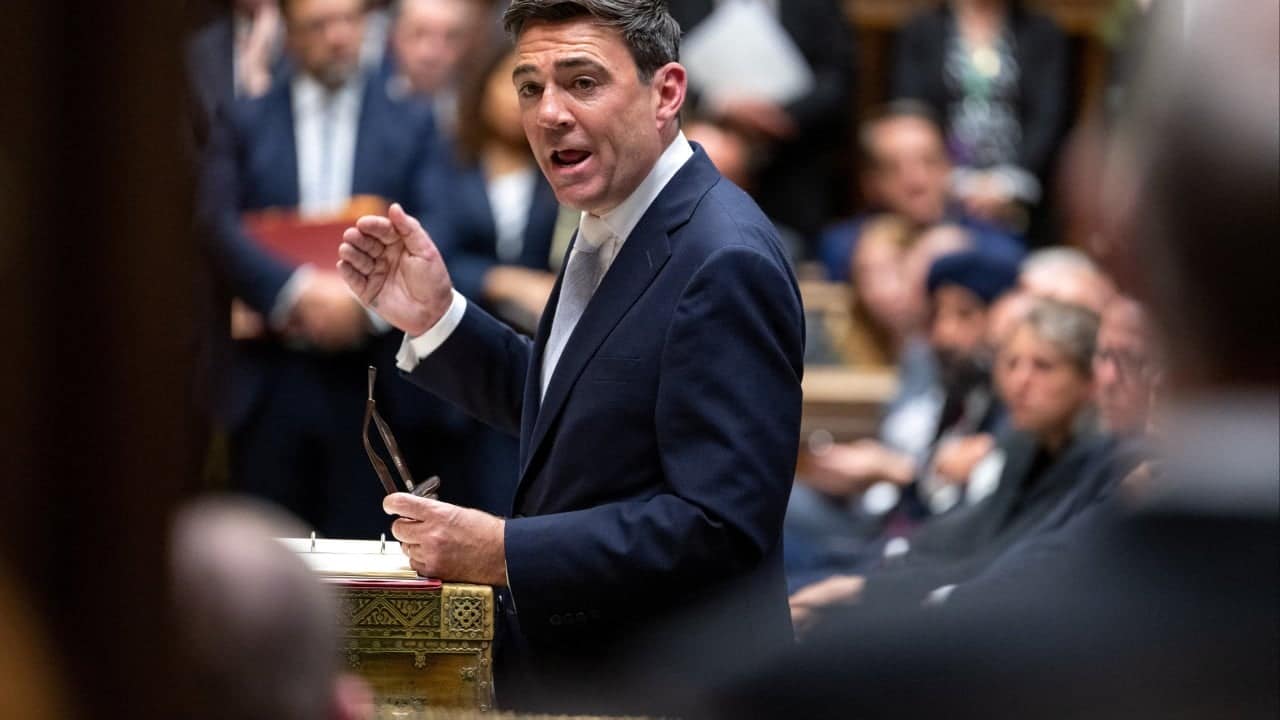
Prime Minister Andy Burnham, in his first appearance in the House of Commons since taking office, articulated a vision for "substantial change" aimed at restoring optimism and addressing the UK's perceived decade of low growth. He directly attributed economic stagnation to a combination of past policy decisions, including those from the 1980s and the effects of Brexit, stating that "change begins with honesty." Burnham argued that these "wrong turns" had centralized power away from communities and compounded damage, leading to a loss of control and stalled regeneration.
Burnham outlined three key government priorities: reducing the cost of essentials like childcare and mortgages, regenerating communities, and increasing public control over vital sectors such as water, housing, and energy. His deputy, Louise Haigh, will lead taskforces dedicated to these areas, with a focus on bringing down costs for ordinary people through greater state intervention where deemed effective.
In his statement, the Prime Minister also hinted at a commitment to increasing defence spending to 3% of GDP by 2030, citing his Chancellor John Healey's stance on military expenditure. He suggested a potential openness to electoral reform in the next Labour manifesto, contingent on achieving a broad consensus. Regarding environmental policy, Burnham confirmed his attendance at the Cop31 climate summit and a continued pursuit of green energy, while also signaling a pragmatic approach to energy supply, which may include approving the Jackdaw gas field.
The Prime Minister's remarks drew criticism from Conservative leader Kemi Badenoch, who accused Burnham of being "stuck in the past" and fixated on attacking Margaret Thatcher and neoliberalism from the 1980s. Meanwhile, Keir Starmer, Burnham's predecessor, announced his resignation as an MP, stating a desire to concentrate on international affairs, which will trigger a by-election in his London seat, potentially contested by the Green Party.