Key facts
- Bank of Japan Governor Kazuo Ueda has been hospitalized for medical treatment.
- Ueda will miss the June 15-16 policy meeting.
- Deputy Governor Ryozo Himino will lead the rate review.
- Deputy Governor Shinichi Uchida will host the press conference.
- Ueda is expected to work remotely and remain hospitalized for approximately two weeks.
- Ueda is anticipated to attend the July 30-31 policy meeting.
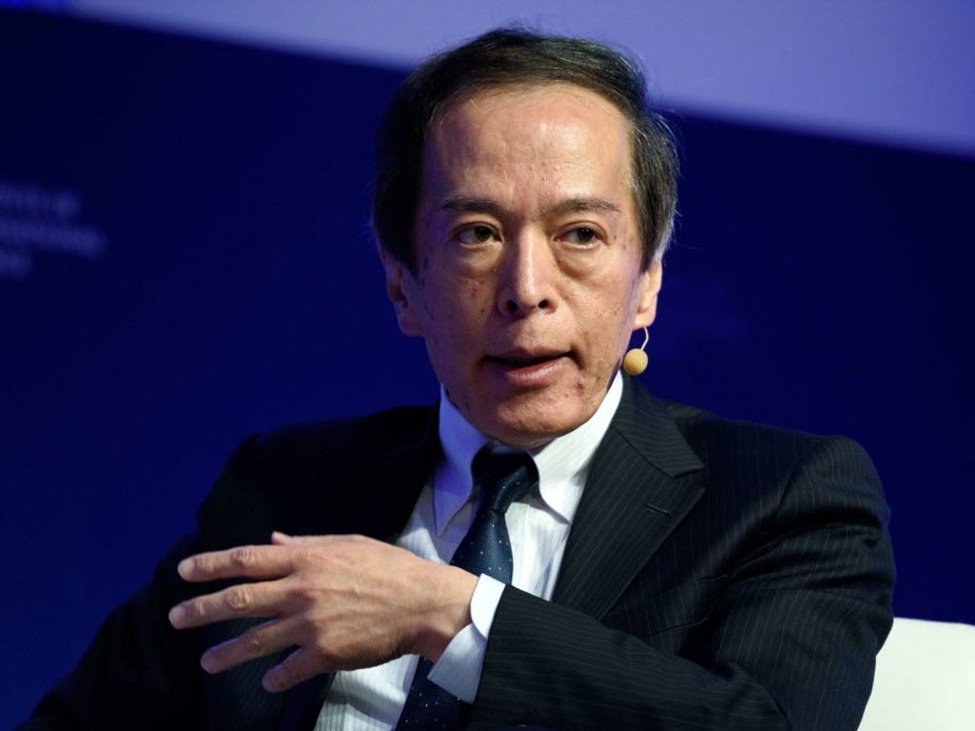
Bank of Japan Governor Kazuo Ueda has been hospitalized for medical treatment and will miss the upcoming June 15-16 policy meeting, the central bank announced. Deputy Governor Ryozo Himino will lead the rate review in Ueda's stead, with Deputy Governor Shinichi Uchida scheduled to conduct the post-meeting press conference.
Ueda is expected to remain hospitalized for approximately two weeks and plans to work remotely during this period. He is anticipated to return for the subsequent policy meeting scheduled for July 30-31. The Bank of Japan confirmed these arrangements in a statement.
Analysts downplay the immediate impact, noting Ueda is expected to resume duties in July and continue working remotely while hospitalised. Chief Cabinet Secretary Minoru Kihara stated the central bank's policy conduct and coordination with the government would remain unaffected. However, leadership uncertainty, even temporary, could test the BOJ as it pivots to a more hawkish stance on inflation, navigating political wariness over higher borrowing costs and market scepticism about how far and how fast it will tighten.
While the policy decision itself appears largely settled, with a 25 basis point hike to 1% widely predicted, Ueda's absence could complicate the BOJ's messaging. Uchida will step in to brief the media, an unusual arrangement that leaves investors parsing not just the content but the messenger. This shift adds a layer of ambiguity, potentially making it unclear whether communication nuances reflect the deputy governor's character or a change in the BOJ's thinking. Some analysts suggest the BOJ may hold off on sending clear signals on the future rate path altogether, with uncertainty on Ueda's recovery impacting the likelihood of further hikes this year.
The episode has revived questions about the demands of the job and Ueda's ability to lead. Under Japanese law, a central bank governor cannot be compelled to resign, but the prospect of a dovish administration influencing upcoming personnel decisions could exert subtle pressure on the central bank to tread carefully. A key test will come next year when two hawks' terms expire, potentially allowing the Prime Minister to fill openings and overhaul the board's balance.