Key facts
- The Australian Taxation Office's ban on credit card payments for tax bills has been delayed by up to a year.
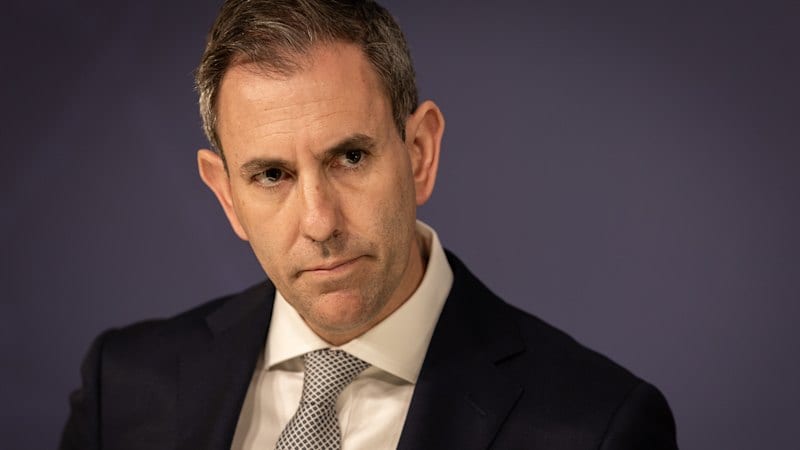
- Treasurer Jim Chalmers announced the delay on Friday, citing backlash from small businesses.
- The ATO had planned to stop accepting credit card payments from November 30.
- The ban was a response to the Reserve Bank's prohibition on credit card surcharges.
- The ATO estimated it would cost $200 million annually to absorb credit card fees.
The Australian Taxation Office's controversial plan to ban credit card payments for tax bills has been delayed by up to a year, following significant backlash from small businesses and internal government concerns. Treasurer Jim Chalmers announced the delay on Friday, stating that additional funding would be allocated to the ATO to support a transition period.
The ATO had initially planned to cease accepting credit card payments from November 30, a move that drew heavy criticism from the business community, opposition parties, and some members of the Labor backbench. Businesses argued the ban would negatively impact their cash-flow management. The ATO had justified the decision by citing the Reserve Bank's recent ban on credit card surcharges and an estimated annual cost of $200 million to absorb the associated fees. The tax office also noted that only a small percentage of taxpayers, approximately 5% of small businesses and 2% of individuals, use credit cards for tax payments.
Environment Minister Murray Watt acknowledged the ATO's decision as independent but stressed the need for proper consultation with the business community. Deputy Liberal leader Jane Hume criticized the government's handling of the situation, suggesting the ban could be reversed with a simple decision. Several Labor MPs, speaking anonymously, expressed alarm at the ATO's actions and its perceived independence from government direction, highlighting concerns about the government's relationship with small businesses.