Key facts
- Armenia plans to initiate its bid to join the European Union in the near future.
- The country will hold a referendum on potential EU accession once the process begins.
- Armenia's government has been increasingly seeking closer ties with the West.
- Russia has threatened a "Ukrainian scenario" for Armenia if it continues to build ties with the EU.
- Yerevan has signed strategic partnership declarations with the U.K. and France in recent years.
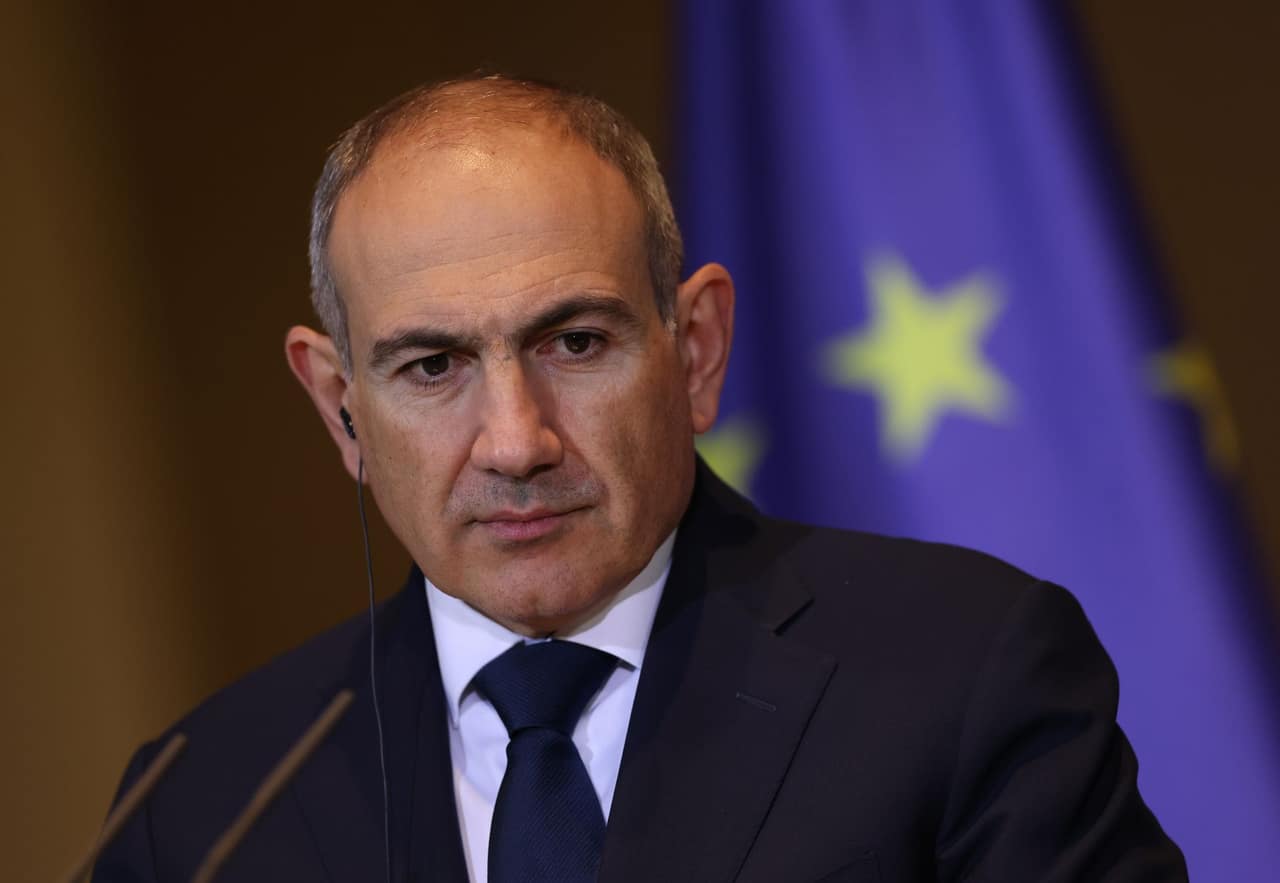
Armenian Prime Minister Nikol Pashinyan announced on August 24 that Yerevan will soon launch its bid to join the European Union, signaling a significant geopolitical shift away from Russia. Pashinyan stated that the process may begin in the "near future," particularly in response to "urgent requests" from EAEU partners, and that a referendum on potential accession would be held once the EU process commences.
This move follows a trend of Armenia seeking closer ties with the West, including strategic partnership declarations with the U.K. and France. The relationship with Russia, Armenia's traditional ally, has deteriorated since Moscow's perceived failure to protect Armenia during the 2024 Nagorno-Karabakh crisis. Russia has reacted negatively to Armenia's westward leanings, with President Putin reportedly threatening a "Ukrainian scenario" and Russia having already withdrawn its ambassador from Yerevan.
Earlier in April 2025, Armenian President Vahagn Khachaturyan had signed a law to formally begin the EU accession process, which, while lacking a specific timeline, symbolized the "aspirations of citizens." President Zelensky of Ukraine also recently noted that ties with Armenia are "becoming even more constructive." Despite alleged Russian interference in Armenian elections, Pashinyan's Civil Contract Party secured a victory in the June parliamentary elections, defeating pro-Russian factions.