Key facts
- Aramco's response to incidents is now more than six times faster than the industry average.
- 90% of materials needed for repairs are produced locally or held in a local warehouse.
- The company is studying possible alternative export routes to the Strait of Hormuz, Bab el-Mandeb and Suez.
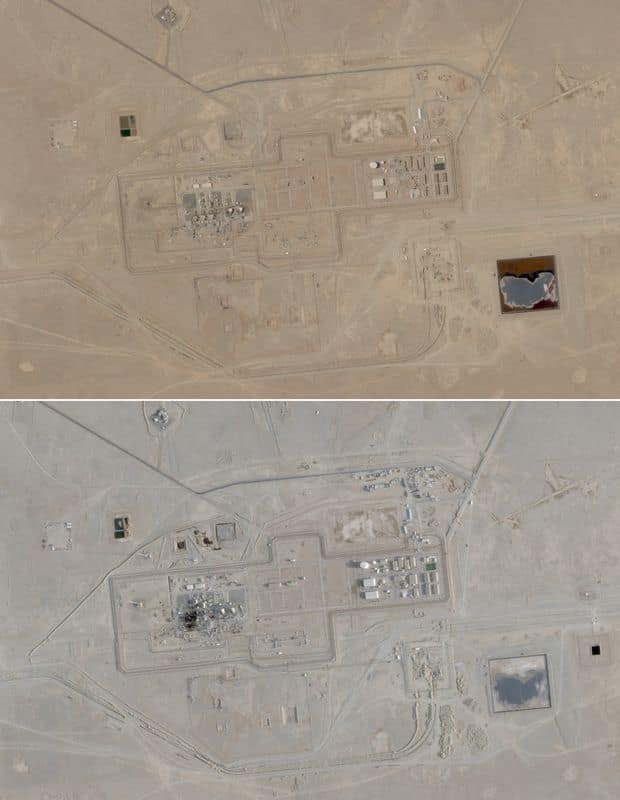
Saudi Aramco has enhanced its operational resilience against attacks on energy infrastructure, a transformation spurred by years of regional assaults. Following a drone strike on its largest oil pipeline last month, which destroyed a pumping station, the company rapidly constructed a new pipeline and resumed pumping within days. This rapid recovery exemplifies Aramco's improved capabilities, including specialized rapid-response teams, expanded emergency stockpiles, and the use of drones for damage assessment even during ongoing incidents. CEO Amin Nasser stated that the company's teams can now manage multiple simultaneous incidents, a capability developed after the 2019 Abqaiq facility attack. The firm's response time is reportedly over six times faster than the industry average, with 90% of repair materials readily available locally. Despite these advancements, export routes remain vulnerable, prompting Aramco to explore alternative shipping channels.