Andy Burnham's 'Manchesterism' faces scrutiny as PM contender
1 source↑ Market-relevant
IN SHORT
Andy Burnham, a contender for UK Prime Minister, is advocating for a "Place-First" political model, aiming to export the "Greater Manchester Way" as a national governance blueprint. While identifying issues with centralized UK governance, his proposals, including a "No 10 North," face criticism for potential ideological contradictions and fiscal limitations.
Key Numbers
9years as mayor of Greater Manchester
2.8 millionpopulation of Greater Manchester
£1 trillionUK economy size
20years of decline in UK living standards and public trust, according to Burnham
Who's Involved
Andy Burnham
UK Prime Minister contender and former Mayor of Greater Manchester
Keir Starmer
expected to be succeeded by Andy Burnham as prime minister
↳ Why This Matters
Burnham's "Place-First" agenda, if implemented nationally, could fundamentally alter the balance of power between central and local government in the UK, impacting regional economic development, public service delivery, and the structure of national policy-making.
Key facts
Andy Burnham is proposing to export the "Greater Manchester Way" as a national governance model.
Burnham's "Place-First" politics aims to address spatial inequality and over-centralization of the UK state.
He advocates for local postcodes to drive industrial strategies, a concept termed "Manchesterism."
Burnham's proposals include creating "No 10 North," a Manchester-based alternative to 10 Downing Street.
Critics argue his plan to decentralize through an expanded Prime Minister's office is ideologically contradictory.
Burnham's commitment to existing fiscal rules is questioned in relation to his promises for council housing and utility reform.
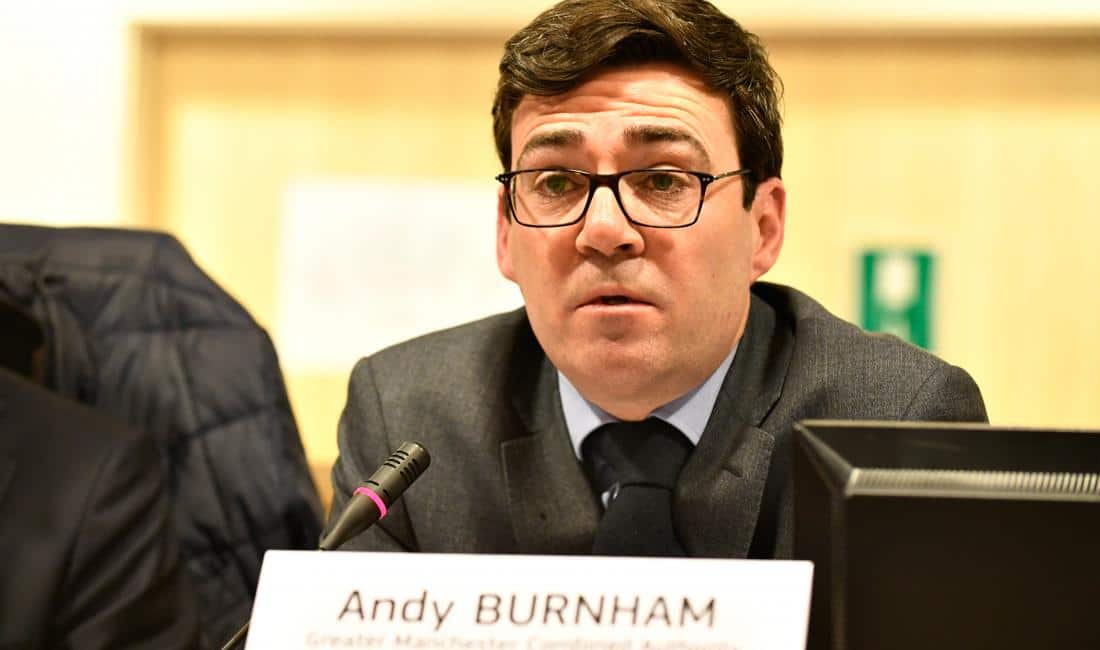
Andy Burnham, a leading contender to become the next UK Prime Minister, is advocating for a significant shift in governance, proposing to export the "Greater Manchester Way" as a national and potentially global blueprint. In a speech delivered on June 29, Burnham articulated a "Place-First" political philosophy, arguing that spatial inequality and the over-centralization of the UK state are root causes of declining living standards and public trust over the past two decades.
Burnham's vision champions local government as the primary engine for economic growth, social cohesion, and democratic renewal, moving away from what he describes as partisan warfare and the "turf wars" of central government. His "Manchesterism" concept suggests local areas should drive their own industrial strategies based on regional assets, aligning with progressive economic thinking and emphasizing basic material security like technical education and social housing.
However, Burnham's proposals face scrutiny. His headline idea of establishing "No 10 North" in Manchester is criticized as an ideological contradiction, potentially creating a more efficient form of central command rather than genuine local autonomy. Furthermore, his promises for a massive council house building program and utility reform are seen as incompatible with his stated allegiance to the UK's current fiscal rules, leading to concerns that his plan would merely redistribute scarcity without fundamental fiscal devolution.
Supporters point to Burnham's nine years as Mayor of Greater Manchester as key preparation for the top job, highlighting his executive leadership and broad policy responsibilities. However, comparisons are drawn to Boris Johnson's transition from Mayor of London to Prime Minister, with analyses suggesting that running a city region, even one as large as Greater Manchester, does not fully equate to the scale and complexity of leading a nation of 70 million people with a £1 trillion economy.
Frequently asked questions
"Manchesterism" is a concept proposed by Andy Burnham where local postcodes drive their own industrial strategies based on regional assets, aiming to foster economic growth and address spatial inequality.
"No 10 North" is Andy Burnham's proposal to establish an alternative Prime Minister's office and residence in Manchester, intended to decentralize power from London.
Criticisms include an ideological contradiction in decentralizing power through an expanded central executive office, and the challenge of fulfilling ambitious spending promises within existing fiscal constraints without fundamental fiscal devolution.
While mayoral roles offer executive leadership across various policy areas, the scale, complexity, and nature of decisions involved in leading a national government are significantly different from running a city region.
What Happens Next
01Andy Burnham is expected to succeed Keir Starmer as prime minister within weeks.
✉Newsletter
Pick the topics you care about. Get only what matters, on your cadence.
How It Developed
Andy Burnham is expected to succeed Keir Starmer as prime minister.
Burnham delivered a speech at the People's History Museum in Manchester on June 29.
Burnham's nine years as mayor of Greater Manchester are cited by supporters as key preparation for the prime minister role.