All NewsEducationTVBrokers
Equities & FundsCrypto & Digital AssetsAI & TechnologyBusiness & CorporateUS Politics & PolicyGeopolitics & Global RiskMacro, Rates & FXCommodities & EnergyEuropean Politics & MarketsAsia-PacificReal Estate & Property
All NewsHome
← Back to Macro, Rates & FX

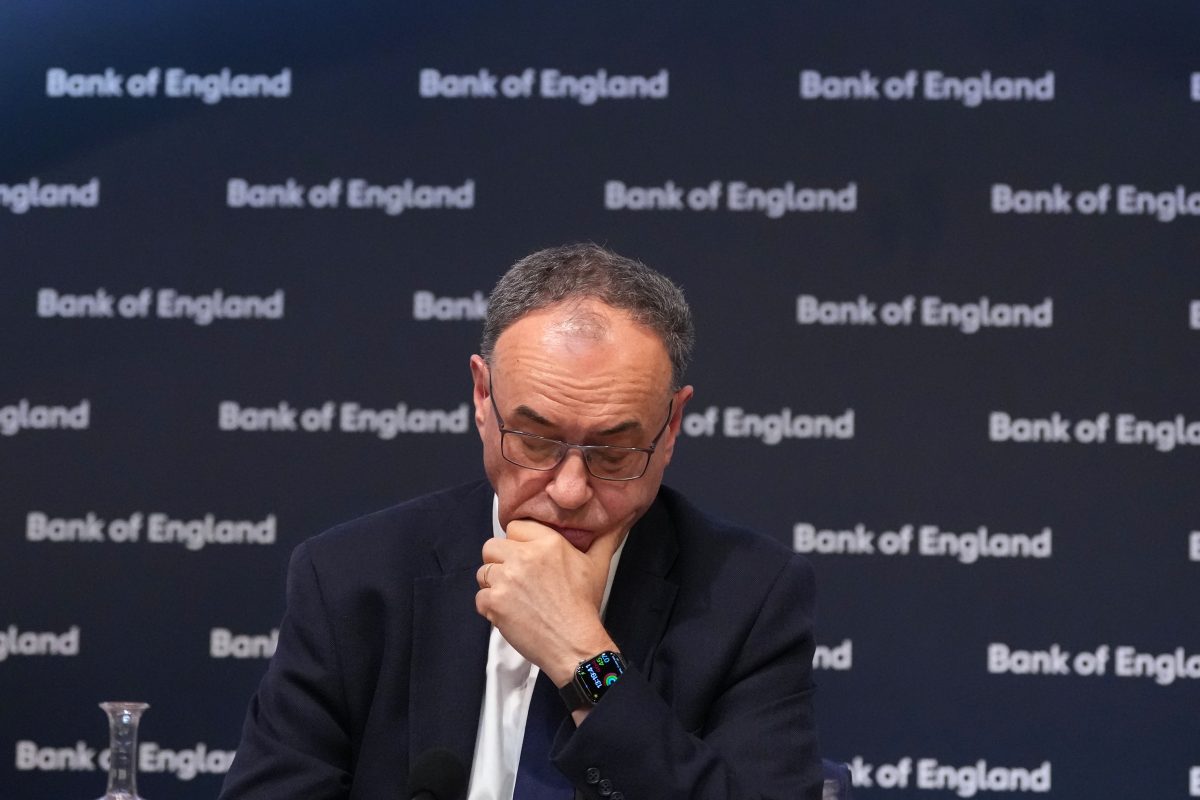
Andrew Bailey: Populism threatens central bank independence

Created at 4 Sep · 10:36 AM1 source↑ Market-relevant
IN SHORT

Bank of England Governor Andrew Bailey warned that rising populist politics poses a significant threat to the independence of central banks globally, potentially undermining their ability to manage monetary policy and ensure economic stability.

Key Numbers

Friday 04 September 2026date of speech

Who's Involved

Andrew Bailey
Governor of the Bank of England
Donald Trump
US President who attacked former Fed Chair Jay Powell
Jay Powell
Former Federal Reserve chair
Recep Tayyip Erdogan
President of Turkey who ousted central bank governors
Andrew Bailey: Populism threatens central bank independence

↳ Why This Matters

The independence of central banks is crucial for maintaining price stability and fostering long-term economic health. Undermining this independence through political pressure could lead to erratic monetary policy, increased inflation, and reduced investor confidence, impacting households and businesses globally.

Key facts

  • Bank of England Governor Andrew Bailey stated that populist politics is a threat to central bank independence.
  • He warned that attempts to undermine central banks could damage the public interest and economic stability.
  • Bailey cited examples including Donald Trump's criticism of former Fed Chair Jay Powell and actions by leaders in Turkey, Hungary, and India.
  • He argued that central banks, along with courts and universities, derive authority from democratic delegation and require public trust.
  • Bailey asserted that government control over monetary policy typically results in short-term decisions that undermine long-term economic stability.
  • Bank of England Governor Andrew Bailey has warned that the rise of populist politics poses a significant threat to the independence of central banks globally, potentially undermining their ability to protect the long-term interests of the economy.

    In a speech delivered in London, Bailey stated that populist parties are increasingly attempting to exert influence over monetary authorities worldwide, a move he believes would "damage the public interest." He explained that institutions like courts, universities, regulatory bodies, and central banks derive their authority from democratic delegation and rely on public trust to function effectively.

    Bailey's remarks come amid a backdrop of high-profile attacks on central banks. He specifically referenced the criticisms leveled by US President Donald Trump against former Federal Reserve Chair Jay Powell, which included calls for lower interest rates and culminated in a now-dropped Department of Justice investigation into Powell. Many, including former Federal Reserve chairs, condemned the probe as an effort to undermine Powell's authority.

    Additionally, Bailey pointed to actions taken by leaders in Turkey, where President Recep Tayyip Erdogan has replaced central bank governors who opposed lowering interest rates, as well as similar measures in Hungary and India.

    Bailey argued that efforts to bring central banks under government control tend to backfire, leading to short-term monetary policies that ultimately undermine economic stability and make it difficult to control the value of money. He emphasized that the value of money is crucial for households and businesses, and maintaining trust in public goods like monetary stability requires broad societal support.

    Frequently asked questions

    Andrew Bailey is concerned that populist politics threatens the independence of central banks worldwide.

    Central bank independence is crucial for controlling the value of money and ensuring long-term economic stability, free from short-term political pressures.

    He cited Donald Trump's criticism of former Fed Chair Jay Powell, and actions by leaders in Turkey, Hungary, and India.

    Bailey warned that government control typically leads to short-term policies that undermine economic stability and the value of money.

    What Happens Next

    01Continued monitoring of political influence on central bank policy globally.
    02Analysis of potential impacts on inflation and economic stability in countries with compromised central bank independence.
    CME Headlines
    • 10-Year Treasury yields drop following dovish Fed comments.
      3 Sep · 8:44 PM
    • 10-Year Treasury yields drop following dovish Fed comments.
      3 Sep · 8:44 PM
    • Euro FX futures rally to 1.1640 following dovish Fed comments.
      3 Sep · 8:43 PM

    How It Developed

    Andrew Bailey warned that populist politics threatens central bank independence.
    He stated that populist parties are trying to influence monetary authorities worldwide.
    Bailey noted that institutions like courts, universities, and regulatory bodies are also targets.
    He cited Donald Trump's attacks on former Fed Chair Jay Powell.
    The probe into Powell, though dropped, was seen as an attempt to undermine his authority.
    President Erdogan of Turkey has replaced central bank governors who opposed lowering interest rates.
    Hungary and India have also taken steps to reduce central bank independence.
    Bailey argued that government control over central banks leads to short-term policies that harm economic stability.

    Sources

    T1
    Andrew Bailey: Populism a threat to global economyCity AM

    Related Stories

    Bank of England's Bailey: Productivity, shocks drive debt, borrowing costs
    4 Sep · 9:46 AM
    BoE's Pill: Prompt rate hikes needed to curb inflation
    3 Sep · 3:13 PM
    Global Bond Markets Surge as Inflation Fears and Government Debt Drive Yields Higher
    4 Sep · 9:16 AM
    UK Borrowing Costs Surge as Oil Shock Rattles Global Markets
    3 Sep · 6:11 PM
    Bolivia IMF deal faces growing opposition amid fuel crisis
    3 Sep · 1:41 PM