All NewsEducationTVBrokers
Equities & FundsCrypto & Digital AssetsAI & TechnologyBusiness & CorporateUS Politics & PolicyGeopolitics & Global RiskMacro, Rates & FXCommodities & EnergyEuropean Politics & MarketsAsia-PacificReal Estate & Property
All NewsHome
← Back to US Politics & Policy

600,000 seniors enrolled in Medicare obesity drug program

Created at 31 Aug · 7:46 PM1 source↑ Market-relevant
IN SHORT

The Medicare Bridge program, launched in July, has enrolled 600,000 seniors in its first two months, offering access to GLP-1 weight loss medications for $50 per month. This pilot program aims to expand access to these sought-after treatments for eligible beneficiaries.

Key Numbers

600,000seniors enrolled in Medicare obesity drug program
$50monthly copay for obesity drugs under the program
18 monthsMedicare coverage duration under the Bridge program
200,000prescriptions filled by CVS and Walgreens combined
4 millionestimated Medicare recipients eligible for the program
5,000+Walmart and Sam's Club pharmacies processing Bridge prescriptions

Who's Involved

Dr. Mehmet Oz
U.S. Centers for Medicare & Medicaid Services Administrator
CVS
pharmacy chain filling Bridge program prescriptions
Walgreens
pharmacy chain filling Bridge program prescriptions
Walmart
pharmacy chain processing Bridge prescriptions
Rick Gates
Walgreens' chief pharmacy officer
Jeremy Shane
nonresident scholar at USC Leonard D. Schaeffer Institute
600,000 seniors enrolled in Medicare obesity drug program

↳ Why This Matters

The high enrollment in the Medicare Bridge program highlights significant demand for obesity medications among seniors and signals a potential shift in how Medicare addresses chronic disease management, potentially leading to improved health outcomes and long-term cost savings for the healthcare system.

Key facts

  • 600,000 seniors have enrolled in the Medicare Bridge program since its July launch.
  • The program offers eligible beneficiaries access to GLP-1 weight loss medications for a $50 monthly copay.
  • Medicare is legally barred from covering drugs solely for weight loss, but the Bridge program acts as a workaround.
  • Beneficiaries are ineligible if they have sleep apnea or Type 2 diabetes, as Medicare Part D already covers GLP-1s for these conditions.
  • The pilot program is scheduled to continue through the end of 2027.

The U.S. Centers for Medicare & Medicaid Services (CMS) has reported that 600,000 seniors have enrolled in a new federal program designed to expand access to GLP-1 weight loss medications. Launched in July, the Medicare Bridge program allows eligible beneficiaries to obtain these sought-after treatments for a monthly copay of $50.

This initiative represents a workaround to a long-standing prohibition on Medicare covering drugs solely for obesity treatment. While Medicare Part D already covers GLP-1s for related conditions like sleep apnea and diabetes, the Bridge program addresses obesity as a chronic disease. Beneficiaries are ineligible if they have sleep apnea or Type 2 diabetes, as these conditions are already covered.

Major pharmacy chains have reported significant uptake. CVS and Walgreens have each filled approximately 100,000 prescriptions, while Walmart has processed Bridge prescriptions at over 5,000 locations nationwide. Walgreens noted that about half of the patients served through the program were new to GLP-1s, and they have not encountered supply issues.

Experts suggest the program is proving popular, with estimates that the initial enrollment represents 5% to 10% of the roughly 4 million Medicare recipients who may qualify. The Bridge program is intended as a temporary measure, set to run through the end of 2027, while data is collected for potential future, broader coverage plans. Legislation, such as the Treat and Reduce Obesity Act, is also being considered to permanently resolve the coverage gap.

Frequently asked questions

The Medicare Bridge program is a pilot initiative launched in July that allows eligible Medicare beneficiaries to access GLP-1 weight loss medications for a $50 monthly copay.

Medicare is legally prohibited from covering drugs solely for obesity treatment. The Bridge program serves as a workaround to provide access to these medications for eligible seniors.

Eligible Medicare beneficiaries with obesity can qualify, provided they do not have sleep apnea or Type 2 diabetes, as GLP-1s for those conditions are already covered under Medicare Part D.

The Medicare Bridge program is scheduled to continue through the end of 2027.

What Happens Next

01The Bridge program is set to continue through the end of 2027.
02Congress may pass legislation, such as the Treat and Reduce Obesity Act, to permanently resolve the coverage gap.

How It Developed

Medicare began allowing eligible beneficiaries to get obesity drugs for $50 a month in July.
The Medicare Bridge program launched in July.
CMS Administrator Dr. Mehmet Oz announced 250,000 beneficiaries had signed up by July 29.
CVS and Walgreens reported filling around 100,000 prescriptions each by mid-August.
Walmart processed Bridge prescriptions at over 5,000 pharmacies nationwide.
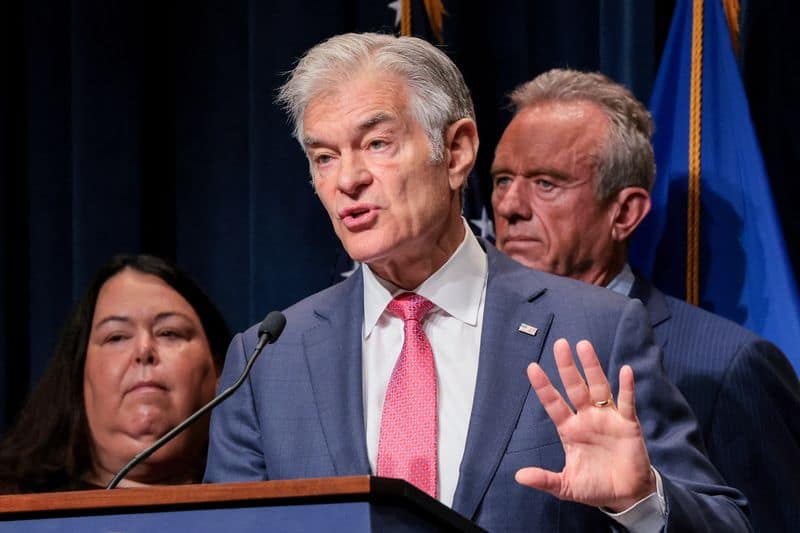
Dr. Mehmet Oz stated on Monday that 600,000 seniors had signed up for the program.
The Bridge program is set to run through the end of 2027.

Sources

T1
600,000 seniors have signed up for obesity drugs under new Medicare programReuters
T2
Medicare will soon cover obesity drugs, but many seniors may not knowcnbc.com
T2
Medicare's $50 obesity drug program is proving popular : NPRnpr.org
T2
Medicare's New Bridge to Obesity Treatment - Health Policy Todayhealthpolicytoday.org

Related Stories

Trump administration announces new drug pricing deals with Bayer, Takeda, CSL
31 Aug · 4:12 PM
Trump Administration Reverses Biden-Era Fuel Economy Standards
31 Aug · 6:38 PM
Pentagon Secures 7-Year Deals to Boost Missile Production
31 Aug · 12:46 PM
US farm agency launches support for beef industry
31 Aug · 2:32 PM
Meta to improve age checks for young users under $18B US states settlement
31 Aug · 2:56 PM