Key facts
- A quarter of China-listed companies posted net losses in the first half of 2026.
- Overall net profit growth for listed Chinese companies was around 20% in the first half.
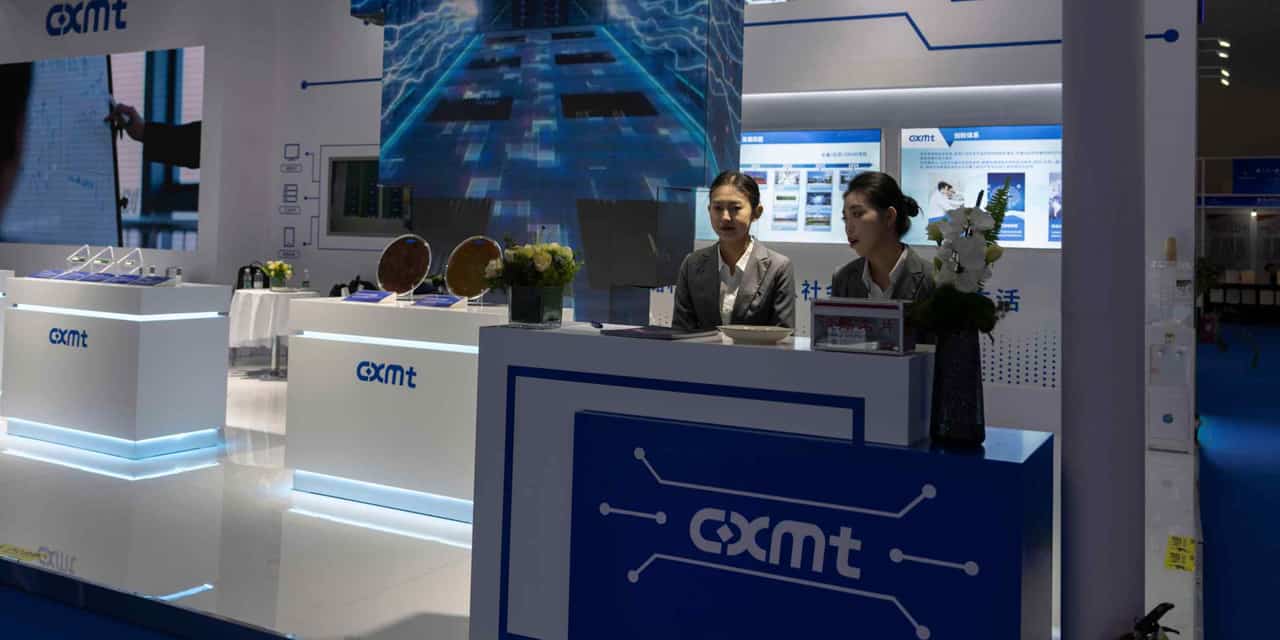
- Chipmakers like CXMT benefited from AI demand, swinging to profit.
- Weak domestic demand impacted sectors such as real estate and automotive.
- Profits at onshore-listed Chinese companies grew 25.7% in the three months to June.
- The CSI 300 Index fell 9% and the Star 50 Index dropped 29% in the third quarter.
A significant portion of China-listed companies, approximately one in four, reported net losses during the first half of 2026. This contrasts with an overall net profit growth of around 20% for the broader group of listed firms. The divergence in performance was largely driven by a surge in demand for artificial intelligence-related products and services, which boosted chipmakers, while other sectors faced headwinds from a slump in domestic demand and a prolonged downturn in the property market.
Profits at onshore-listed Chinese companies saw a notable increase of 25.7% in the three months to June, marking the fastest pace in nearly five years. However, this growth was concentrated in AI-linked companies. Despite this, major stock indices such as the CSI 300 have fallen about 9% in the third quarter, and the tech-heavy Star 50 Index has dropped 29%. Investors appear to be treating AI spending as a cost rather than a future promise, with much of the optimism already priced into stocks.
Companies like Alibaba reported higher revenue but significantly lower profits, attributing the decline to the costs associated with AI projects and computing infrastructure, and announced plans to raise $10.2 billion for such investments. Similarly, Tencent saw its capital spending increase by 176% to 52.8 billion yuan, resulting in negative free cash flow. Analysts suggest that strong earnings alone are no longer sufficient to drive tech stock performance, citing uncertainty over AI investment returns and rising financing costs.
Further contributing to the market's challenges are weak domestic demand, the ongoing property sector downturn, and exchange losses. Non-financial A-share companies incurred 107 billion yuan in exchange losses in the first half due to a stronger yuan. Tightened tax enforcement and new stock listings, such as Yangtze Memory, are also draining liquidity from the market.