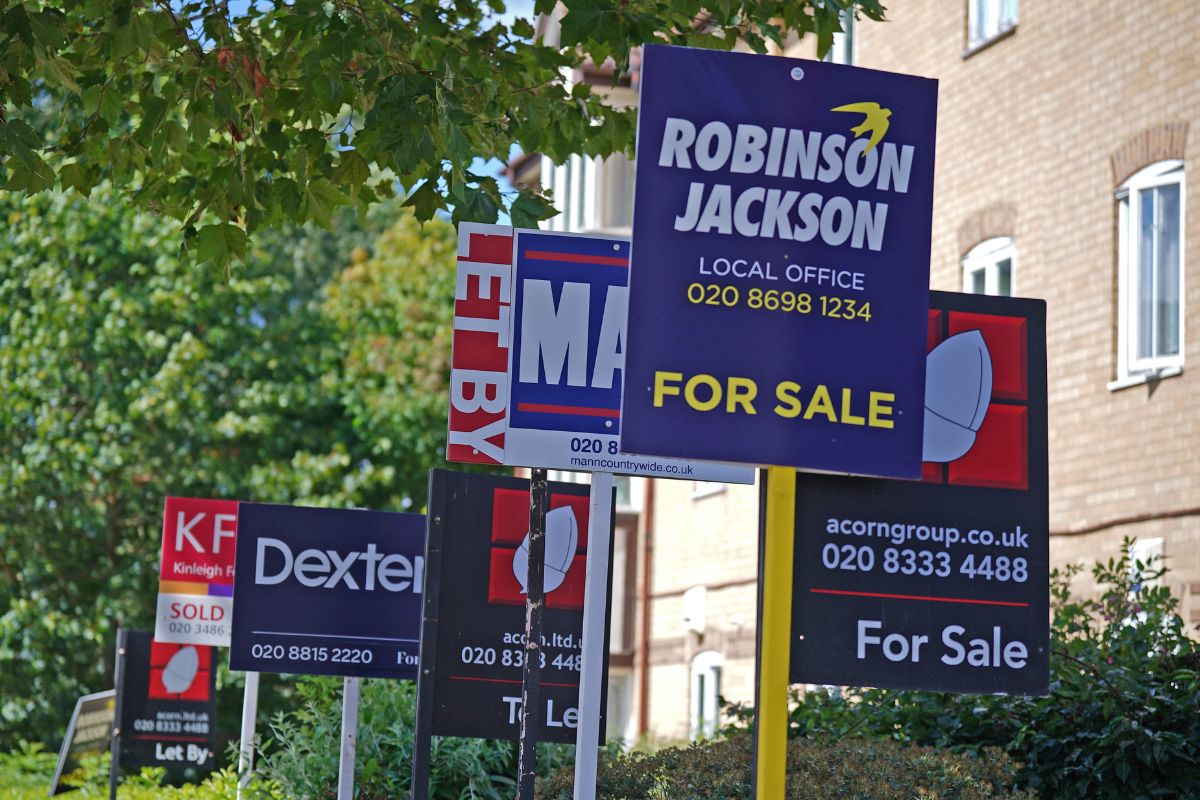
UK real estate firms face record insolvencies amid market slump
window 24h
IN SHORT
UK real estate firms are facing a record number of insolvencies, with 762 companies going bust this year, the fastest rate in a decade. This downturn is attributed to high finance costs, economic uncertainty, and regulatory delays. Concurrently, UK house prices have fallen for three consecutive months, a trend not seen in two years, with the South East now experiencing steeper declines than London. The market for country homes is also affected, with sellers cutting prices due to rising maintenance costs, tax changes, and low buyer demand, leading to an oversupply of properties.
✉Newsletter
PiQ Daily
Pick your topics. Get only what matters, on your cadence.
Key Numbers
762UK real estate firms insolvent this year
threeconsecutive months of falling UK house prices
twoyears since UK house prices last fell for three consecutive months
Who's Involved
UK real estate firms
facing record insolvencies amid market slump
Housebuilders
citing high finance costs and economic uncertainty
Construction firms
citing high finance costs and economic uncertainty
UK
country experiencing market slump and falling house prices
South East region
experiencing significant house price drops
London
city experiencing house price drops
Sellers of country homes
reducing prices due to rising costs and low demand
1 / 3
Key facts
762 UK real estate firms have become insolvent this year.
This is the fastest rate of insolvencies for UK real estate firms in a decade.
High finance costs are cited as a challenge for UK real estate firms.
Economic uncertainty is a key challenge for UK real estate firms.
Regulatory delays are a challenge for UK real estate firms.
UK house prices have fallen for three consecutive months.
This is the first time UK house prices have fallen for three consecutive months in two years.
The South East region is experiencing the most significant house price drops.
House price drops in the South East are surpassing those in London.
Sellers are reducing prices on large, luxurious country homes in the UK.
Rising maintenance costs are impacting country home sellers.
Tax changes are impacting country home sellers.
UK real estate companies are experiencing insolvencies at the highest rate in a decade, with 762 firms having become insolvent this year. Housebuilders and construction firms are grappling with significant challenges, including high finance costs, prevailing economic uncertainty, and delays in regulatory processes. This period of financial distress in the property sector is compounded by a sustained decline in house prices. UK house prices have now fallen for three consecutive months, marking the first time this has occurred in two years. The South East of England is particularly affected, with this region now witnessing more significant price drops than the capital city, London. The market for larger, more luxurious country homes is also under pressure. Sellers of these properties are implementing price reductions due to a combination of factors. These include escalating maintenance costs, recent tax changes that impact property ownership, and a shift in buyer preferences as more people return to office-based work. The market for country homes is characterized by an oversupply of properties relative to the current level of buyer demand, further exacerbating the need for price adjustments.
Frequently asked questions
The UK property market is experiencing a significant slump, leading to a record number of real estate firms becoming insolvent.
Key factors include high finance costs, economic and political uncertainty, regulatory delays, rising construction costs, and subdued demand.
The insolvencies include estate agents, landowners, real estate management companies, housebuilders, and construction firms.
The outlook is gloomy, with investors betting on further declines, but industry bodies emphasize the need for government support to ensure capacity for future upturns.
What Happens Next
01Ministers are expected to respond to calls for bolder action to support the development sector.
02The property industry awaits signs of an economic upturn to stimulate development capacity.
Get the newsletter.
Pick the topics you actually care about. We'll email when there's news worth your time, on the cadence you choose. Cancel any time from your account.