Key facts
- UK house prices saw no growth in June.
- UK house prices stalled for the second consecutive month in June.
- The average UK home price fell slightly to £277,484 in June.
- Rising interest rates are dampening buyer demand in the UK.
- Geopolitical events and oil prices are influencing UK interest rates.
- Real estate agents predict a slower summer market in the UK.
- US construction spending edged up in May.
- US homebuilding was constrained by higher mortgage rates in May.
UK house prices experienced no growth for the second consecutive month in June, marking a continued stall in the market. The average home price saw a slight decrease, settling at £277,484. This lack of appreciation is largely attributed to rising interest rates, which are a significant concern for potential buyers. These rate increases are reportedly influenced by broader geopolitical events and fluctuations in oil prices, collectively dampening buyer demand. Consequently, real estate agents are forecasting a slower market throughout the summer months as these economic headwinds persist.
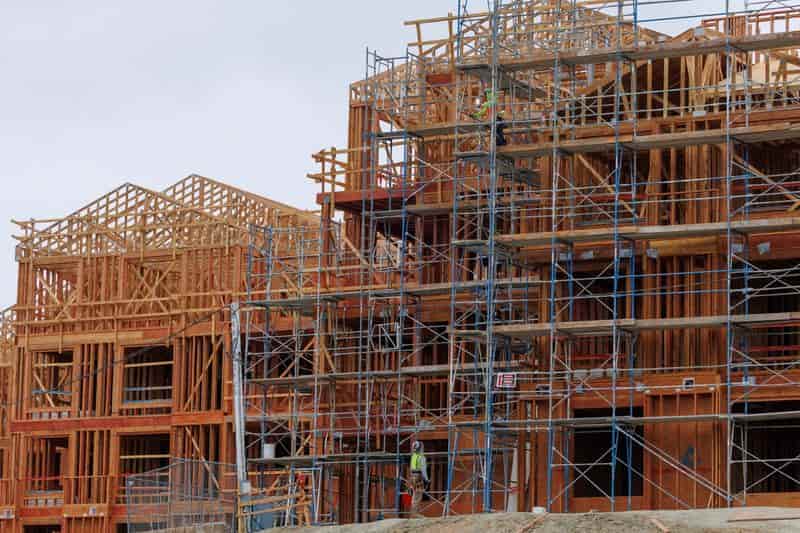
While the UK market shows stagnation, U.S. construction spending experienced a modest uptick in May. However, this positive trend in overall construction spending was contrasted by constraints in the homebuilding sector within the United States. Higher mortgage rates are cited as the primary factor limiting new home construction in the U.S., indicating a similar pressure point affecting housing markets on both sides of the Atlantic.
The current market conditions in the UK reflect a broader economic environment where inflation and interest rate hikes are impacting consumer confidence and purchasing power. The slight fall in average prices, while not a significant decline, signals a shift from previous periods of growth. The expectation of a slower summer market suggests that sellers may need to adjust their price expectations, and buyers may find more negotiating power.