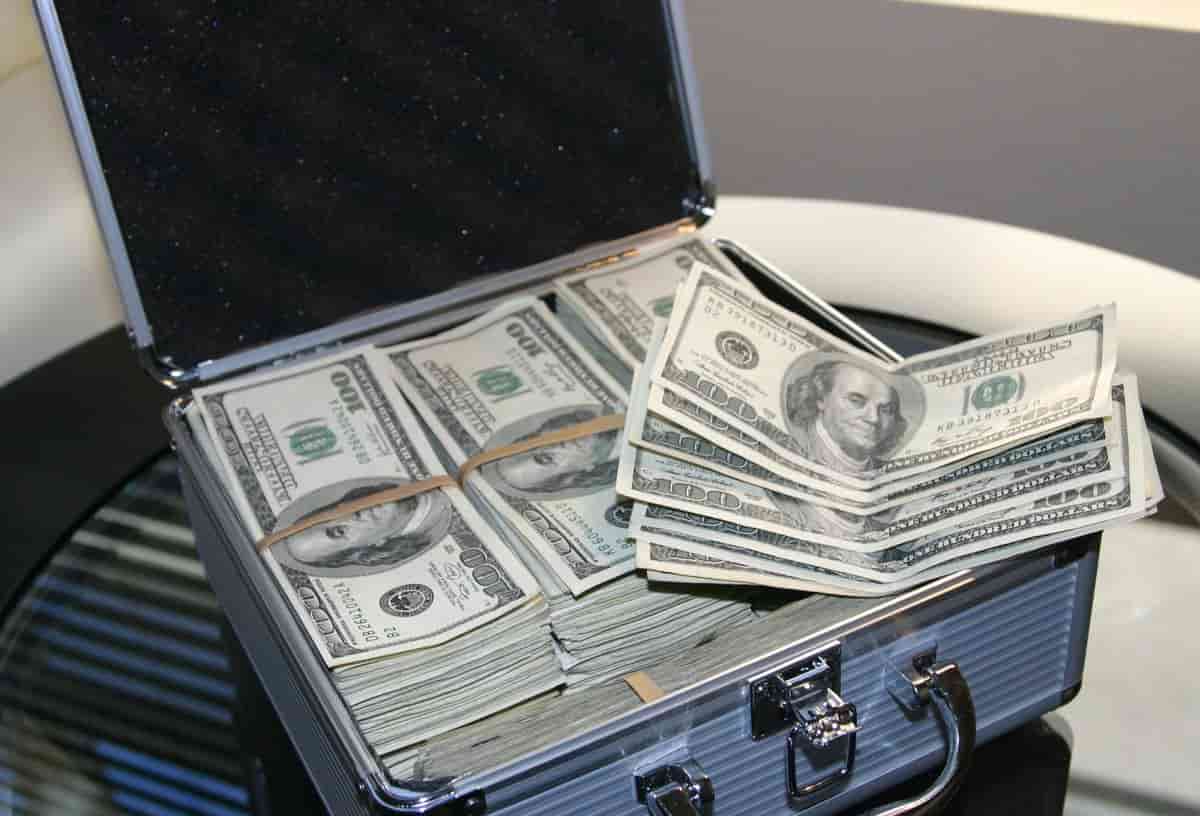
US Labeled 'Zillow For Money Launderers' Amid Property Crime Surge
IN SHORT
The U.S. has been described as the 'Zillow for money launderers' due to a surge in property-related financial crimes. This comes as various real estate entities face challenges, including resignations, asset sales, and legal battles over rent control.
Key Numbers
160-roomhotel planned by Redbrick
$288Mproject value for KKR-backed venture
Who's Involved
Hudson Pacific Partners
company whose COO resigned
Redbrick
developer planning a new hotel
Pacific Oak REIT
company undergoing board changes and potential wind-down
KKR
backer of a new development venture
Massachusetts High Court
blocked a rent control ballot measure
Governor Abbott
proposing guardrails for Texas data centers
↳ Why This Matters
The U.S. real estate market's role in facilitating money laundering raises concerns about financial crime and regulatory oversight. Concurrently, various sectors within the property market are experiencing significant shifts, including corporate leadership changes, asset sales, development projects, and legal challenges, indicating a dynamic and complex environment.