Key facts
- US home battery installations hit a record 673 megawatts in the first quarter of 2026.
- California and Hawaii led new residential battery storage installations.
- Residential electricity costs nationwide rose more than 7% in April 2026 year-over-year.
- State incentives in California and Hawaii are driving home battery adoption.
- The trend is occurring alongside a slowdown in residential solar panel installations.
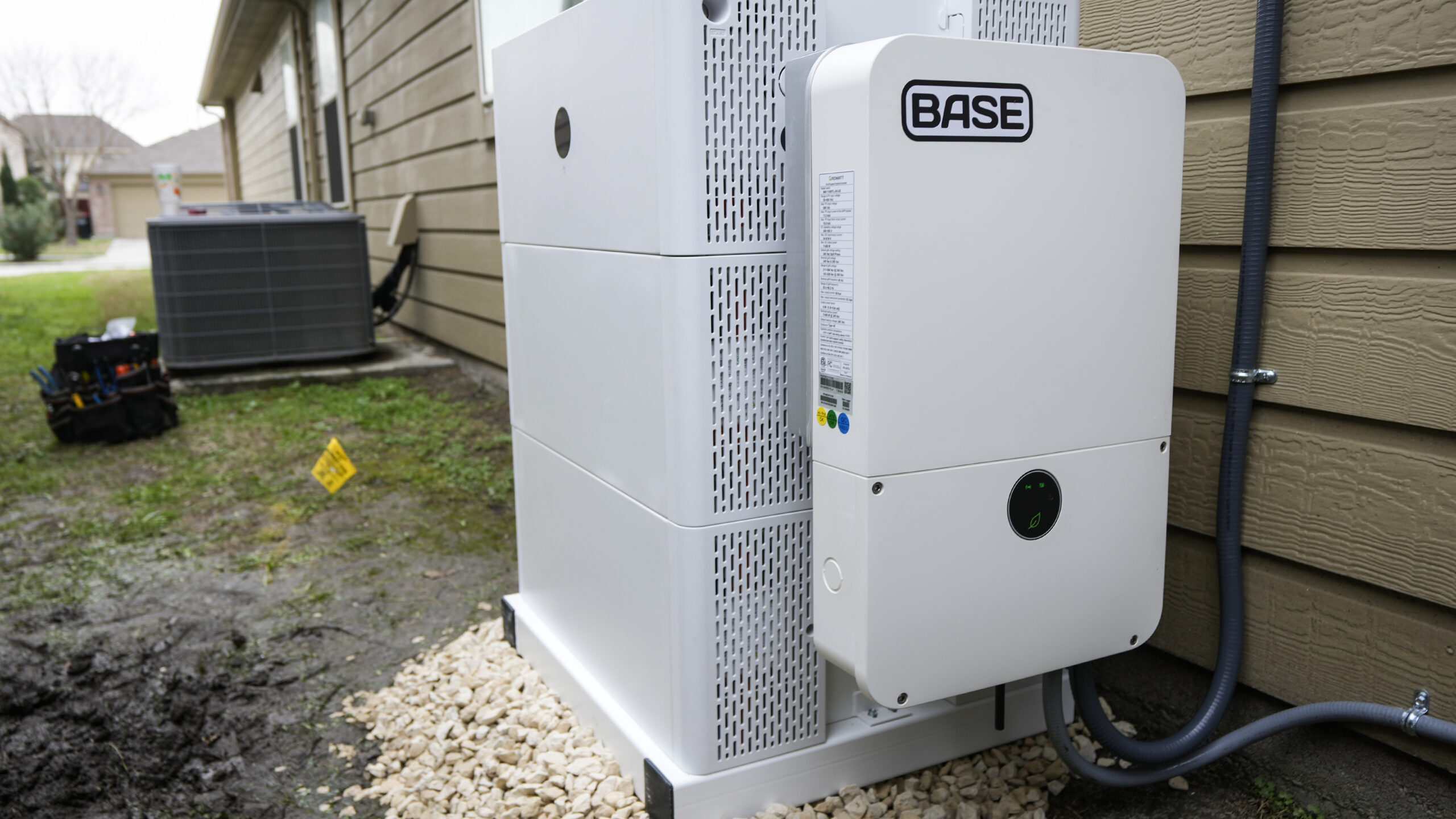
US homeowners have embraced home batteries in record-breaking numbers in early 2026, driven by state incentives and the need to offset rising residential electricity costs. New home battery installations reached a record 673 megawatts of energy storage in the first quarter of 2026, according to the US Energy Information Administration.
States with high electricity prices and supportive policies, such as California and Hawaii, accounted for the majority of new residential battery storage. Texas and Arizona also experienced significant increases in installations. California offers incentives for homeowners with solar panels to install batteries by providing better pricing for electricity exported to the grid after sunset, while Hawaii provides a one-time payment for installed battery storage.
This surge in battery installations coincides with a slowdown in residential solar panel installations, a trend attributed to the elimination of a 30 percent federal solar tax credit for homeowners by the Trump administration. Despite this, US solar power generation continues to grow and has surpassed coal-fired generation. The increase in home battery adoption is also linked to rising electricity costs, with the nationwide average for residential electricity increasing by over 7 percent in April 2026 compared to the previous year. Homeowners with smart battery management systems can benefit by storing energy during off-peak hours and using it during peak demand periods.