Key facts
- Scott and Rebecca Steenbergh operate six sober-living properties generating up to 75% cash-on-cash returns.
- The strategy involves renting individual beds in single-family homes, differing from traditional rentals.
- Residents typically stay for about six months, with costs covered by personal payment, government contracts, or grants.
- The Steenberghs also own two short-term rental properties.
- Scott Steenbergh, a social worker, transitioned to real estate investing for greater time freedom.
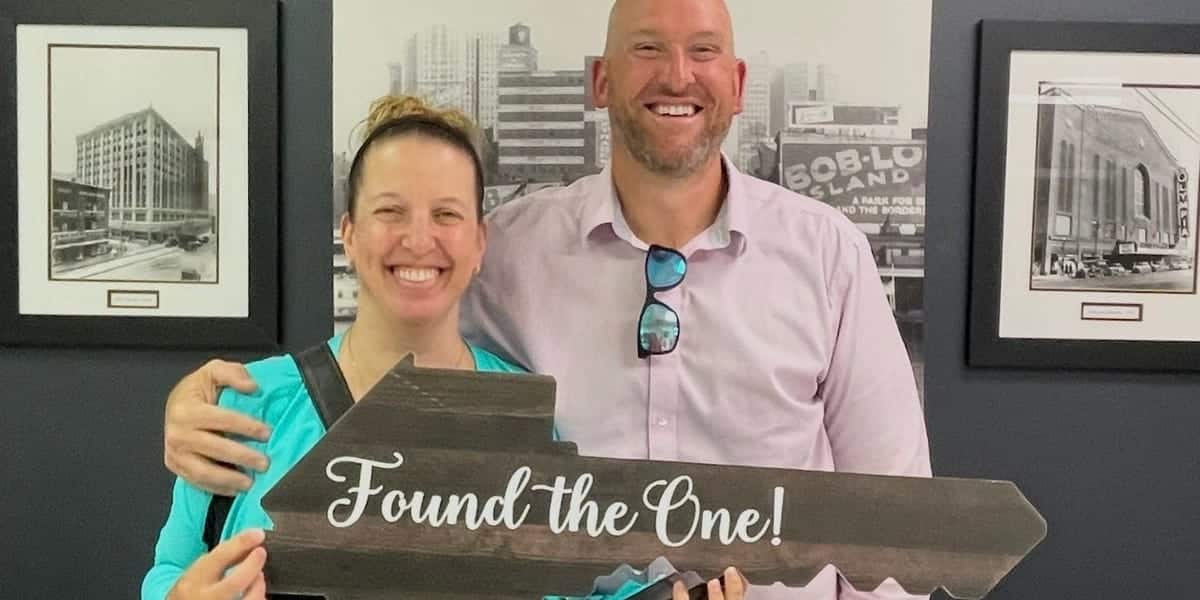
Scott and Rebecca Steenbergh, a couple who transitioned into real estate investing, are achieving significant returns through a niche strategy involving sober-living rentals. Scott Steenbergh, a social worker, sought greater time freedom and found a path through real estate, drawing on his personal experience with addiction and his professional background in addiction treatment.
The couple's strategy focuses on converting single-family homes into recovery residences where individual beds are rented out, rather than the entire property. This approach allows for higher revenue generation compared to traditional single-family rentals. Across their six sober-living properties, which house 64 residents, they report cash-on-cash returns ranging from 50% to 75%. This significantly outperforms conventional rentals (around 10%) and short-term rentals like Airbnbs (20% to 40%).
Residents typically stay for about six months, with their housing costs often covered by personal payments, government contracts, or grant-funded assistance programs. This model provides structure for individuals transitioning from inpatient treatment or those who are unhoused, allowing them to focus on recovery and securing employment.
While the higher returns come with increased property wear and tear and operational complexities, such as managing resident issues like relapses, the Steenberghs have found success. Scott Steenbergh advises potential investors to approach this strategy with a strong mindset and adequate education, emphasizing the importance of understanding the recovery housing environment.
The real estate portfolio now supports their lifestyle, allowing Scott to work as a clinical social worker on his own terms and Rebecca to focus on their property business. They have also purchased their 'dream home' and increased their capacity for travel.