Key facts
- Landlords have sued the New York City Rent Guidelines Board (RGB) over its decision to freeze rents on stabilized leases.
- The lawsuit claims the RGB's process was a 'sham' and predetermined by Mayor Zohran Mamdani.
- Plaintiffs allege the mayor influenced the board by appointing 'loyalists' and using city funds to promote tenant advocates.
- The suit argues the RGB ignored evidence of rising operating costs for landlords and overstated tenant affordability needs.
- Landlords seek to overturn the rent freeze, which is scheduled to take effect on October 1.
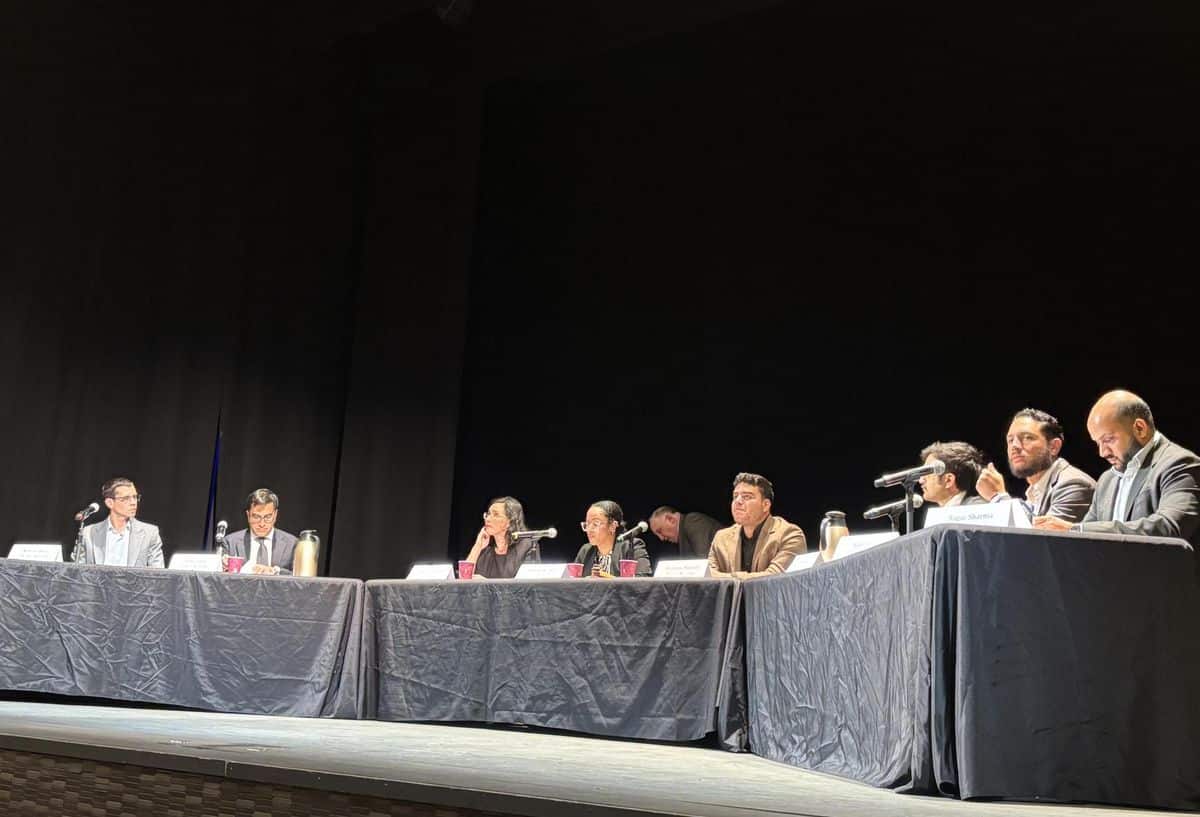
A group of New York City landlords has filed a lawsuit challenging the Rent Guidelines Board's (RGB) recent decision to freeze rents on one- and two-year stabilized leases. The landlords allege that the process was a 'sham' and that Mayor Zohran Mamdani illegally influenced the board's decision-making.
The complaint, filed on Wednesday, accuses the RGB of failing to act independently and of reverse-engineering evidence to support the predetermined outcome of a rent freeze. Plaintiffs, represented by Dechert co-Chair Randy Mastro, claim the mayor stacked the board with 'loyalists' and used millions in city funds to fill hearings with tenant advocates, thereby dictating the decision by fiat.
A lawsuit was anticipated after landlord representative Christina Smyth resigned from the board on the day of the vote, stating the RGB's order was decided on the campaign trail. The lawsuit cites several instances of alleged mayoral intervention, including a Deputy Chief of Staff allegedly entering the RGB's restricted green room and the Mayor's Office of Equity and Racial Justice holding a 'special briefing' advocating for tenant relief.
Landlords argue the board ignored evidence showing rising operating costs and net operating income increases of 6.2%, while also failing to account for debt service. They contend that reports showing cash flow negative after mortgage payments, especially after the Housing Stability and Tenant Protection Act of 2019, were disregarded. The lawsuit also alleges the board overstated tenant affordability needs, noting that while low-income tenants are rent-burdened, a significant percentage of rent-stabilized tenants earn $100,000 or more annually.
One RGB member, Arpit Gupta, voted against the freeze, calling the evidence 'incomplete' and highlighting the high cost increases landlords face. He advocates for rent increases based on building conditions rather than a 'one-size-fits-all' approach. The lawsuit seeks to bar the rent freeze, which is set to take effect October 1, and allow current rent increase guidelines to continue.