Key facts
- US job openings fell to 7.359 million in June.
- The healthcare sector saw the largest drop in US job openings.
- US hiring increased by 96,000 to 5.348 million in June.
- US layoffs remained low in June.
- The US trade deficit contracted by 5.6% to $73.3 billion in June.
- Both US imports and exports declined in June.
- Australian job advertisements increased by 0.8% in July.
- New orders for US factory goods fell 0.3% in June.
- Demand in US artificial intelligence infrastructure remained strong.
- Australian job ad gains were broad-based across industries and states.
In June, U.S. job openings decreased to 7.359 million, with the healthcare sector recording the most significant drop. Despite this decline in openings, hiring actually increased by 96,000 to 5.348 million. Layoffs remained at low levels, contributing to a perception of a stable labor market. Economists are closely watching these indicators, anticipating that the Federal Reserve will continue to prioritize controlling inflation.
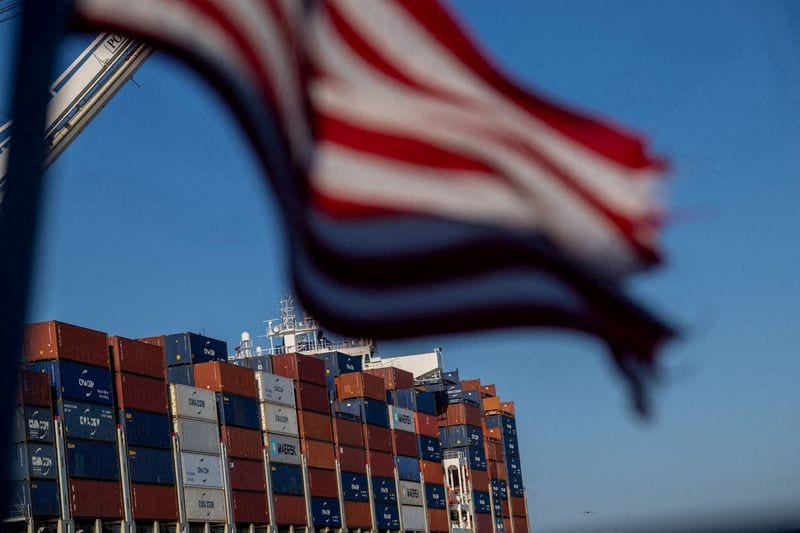
The U.S. trade deficit experienced a contraction in June, falling by 5.6% to $73.3 billion. This narrowing was attributed to a decline in both imports and exports. Looking ahead, economists predict that net exports will continue to exert a negative influence on GDP growth. In a separate development, new orders for U.S. factory goods unexpectedly decreased by 0.3% in June. This decline defied economists' expectations for a rebound in manufacturing orders. However, demand in other sectors of the U.S. economy remained strong, with particular resilience noted in the artificial intelligence infrastructure sector.
Meanwhile, in Australia, job advertisements showed a positive trend in July, rising by 0.8%. This increase reversed a slight decline observed in June and suggests sustained labor demand despite the backdrop of rising interest rates. The growth in Australian job ads was broadly distributed across various industries and states, indicating a widespread demand for labor.