US, Japan Intervene to Support Yen, Traders Watch Carry Trade | PiQ Markets
3 storiesMacro, Rates & FXFederal Reserve (FOMC) rate decisionsUS Dollar Index (DXY)Bank of Japan (BoJ) policy & yield curve control
US, Japan Intervene to Support Yen, Traders Watch Carry Trade
window 24h
IN SHORT
The U.S. and Japan have jointly intervened to support the Japanese yen, marking the first such action in nearly three decades. This intervention occurred after the yen fell to a 40-year low against the dollar. The operation led to a significant strengthening of the yen, pushing it to a three-month high. Traders are now closely watching for potential further intervention and the impact on yen-funded carry trades, as well as future Bank of Japan rate hikes.
✉Newsletter
PiQ Daily
Pick your topics. Get only what matters, on your cadence.
Key Numbers
30years since last joint yen intervention
40year low for the yen against the dollar
1percent yen climb against the dollar
155yen per dollar level approached by the yen
Who's Involved
U.S.
nation intervening to support the Japanese yen
Japan
nation intervening to support the Japanese yen
Bank of Japan
central bank whose rate hikes are being watched
1 / 3
Key facts
The U.S. and Japan conducted a joint yen-buying intervention.
This is the first joint intervention in nearly three decades.
The intervention aimed to support the yen against the dollar.
The yen had fallen to a 40-year low against the dollar.
The intervention strengthened the yen.
The yen reached a three-month high against the dollar.
The yen climbed over 1% against the dollar.
The yen neared the 155 yen per dollar level.
Traders are monitoring the yen-funded carry trade.
Traders are watching for future Bank of Japan rate hikes.
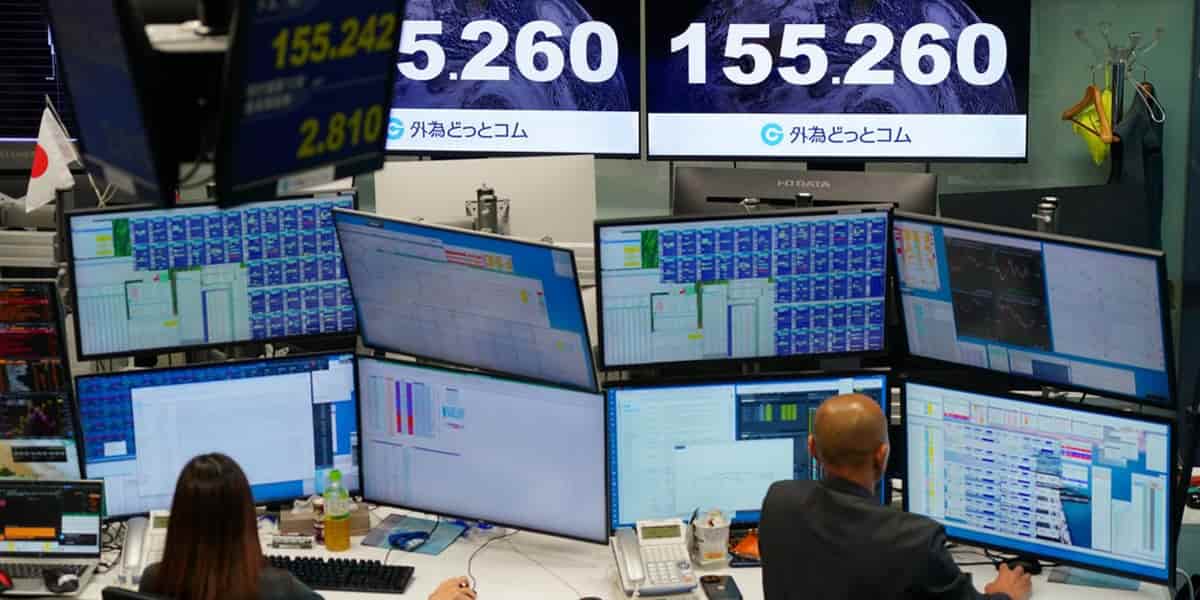
The United States and Japan have undertaken their first joint intervention to buy the Japanese yen in almost 30 years, aiming to counter the currency's sharp decline. The yen had previously fallen to a 40-year low against the U.S. dollar, prompting this coordinated action. Following the intervention, the yen saw a notable surge, climbing over 1% against the dollar and reaching a three-month high. Early Monday trading saw the yen nearing the 155 yen per dollar level as traders anticipated further potential intervention.
This joint operation is a significant development, as such coordinated efforts between the two nations are rare. The intervention's immediate effect was to strengthen the yen, pulling it back from its historic lows. However, market participants are now closely observing several key factors. These include the possibility of further intervention by either or both countries, the ongoing impact on the yen-funded carry trade, and the future monetary policy decisions of the Bank of Japan, particularly regarding potential interest rate hikes.
The yen's slide to a 40-year low underscored concerns about its weakening value and the potential economic implications for Japan. The carry trade, where investors borrow in low-interest-rate currencies like the yen to invest in higher-yielding assets elsewhere, is particularly sensitive to yen fluctuations. A stronger yen could unwind these trades, leading to volatility. The Bank of Japan's stance on monetary policy remains a critical element, as any shift towards higher interest rates could further support the yen.
↳ Why This Matters
The United States and Japan have undertaken their first joint intervention to buy the Japanese yen in almost 30 years, aiming to counter the currency's sharp decline. The yen had previously fallen to a 40-year low against the U.S. dollar, prompting this coordinated action. Following the intervention, the yen saw a notable surge, climbing over 1% against the dollar and reaching a three-month high. Early Monday trading saw the yen nearing the 155 yen per dollar level as traders anticipated further potential intervention.
Frequently asked questions
A weak yen has increased import prices in Japan and diminished the trade advantage of U.S. tariffs. Both nations share concerns about excessive currency volatility.
The carry trade is a strategy where investors borrow in a low-interest-rate currency (like the yen) to invest in higher-yielding assets in another currency.
The BOJ's hawkish tone suggests a potential shift towards monetary policy normalization, with a rate hike anticipated in September, which could strengthen the yen.
Intervention is generally seen as having a temporary effect; faster rate hikes by the Bank of Japan are considered necessary for a more lasting impact on the yen's value.
What Happens Next
01The Bank of Japan is expected to consider a rate hike at its September policy meeting.
02Markets will continue to monitor US-Japan coordination on currency matters.
03The G20 finance leaders' meeting in late August may provide further insights into currency policy discussions.
Get the newsletter.
Pick the topics you actually care about. We'll email when there's news worth your time, on the cadence you choose. Cancel any time from your account.