All NewsEducationTV
Equities & FundsCrypto & Digital AssetsAI & TechnologyBusiness & CorporateUS Politics & PolicyGeopolitics & Global RiskMacro, Rates & FXCommodities & EnergyEuropean Politics & MarketsAsia-PacificReal Estate & Property
Story archiveAll categories
← All Stories

US, Japan Intervene to Support Yen, Traders Watch Carry Trade

Created at 3 Aug · 5:36 AM1 source↑ Market-relevant
IN SHORT

The US and Japan conducted their first joint yen-buying intervention in nearly three decades to combat the yen's slide to a 40-year low against the dollar. While the intervention strengthened the yen, traders are closely monitoring the yen-funded carry trade and future Bank of Japan rate hikes.

✉Newsletter

PiQ Daily

Pick your topics. Get only what matters, on your cadence.

Key Numbers

40-yearyen low against dollar
156.5yen per dollar post-intervention
2.5%Nikkei 225 intraday fall

Who's Involved

Satsuki Katayama
Japanese Finance Minister who confirmed the intervention
Vishnu Varathan
Mizuho's Asia-Pacific head of macro strategy
Bank of America
expects Bank of Japan rate hike in October
Michael Wan
senior currency analyst at MUFG
US, Japan Intervene to Support Yen, Traders Watch Carry Trade

↳ Why This Matters

The joint intervention signals a heightened concern from the US and Japan about yen weakness, potentially impacting global carry trades and currency markets. It underscores the willingness of major economies to directly influence currency values when they deem it necessary, affecting investor strategies and asset prices worldwide.

Key facts

  • The US and Japan executed their first joint yen-buying intervention in nearly 30 years.
  • The intervention aimed to counter the yen's fall to a 40-year low against the dollar.
  • Japanese Finance Minister Satsuki Katayama confirmed the operation and indicated potential future interventions.
  • The yen strengthened from above 163 to around 156.5 per dollar post-intervention.
  • The action has refocused market attention on the yen-funded carry trade.

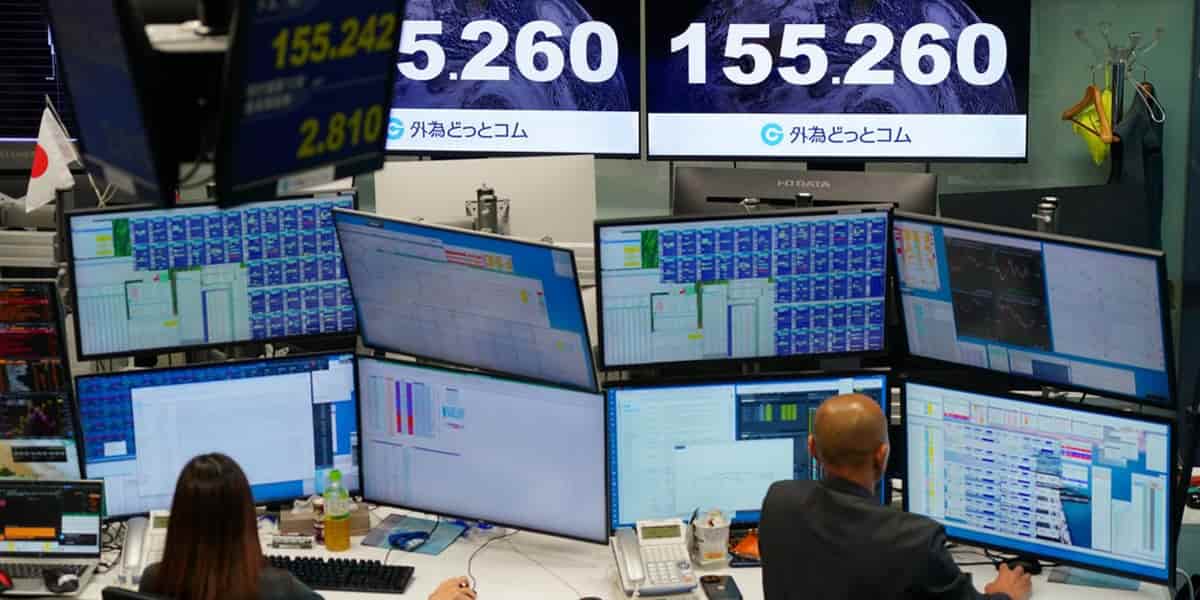
The United States and Japan jointly intervened in currency markets to buy yen for the first time in nearly three decades, a move aimed at stemming the yen's slide to a 40-year low against the dollar. Japanese Finance Minister Satsuki Katayama confirmed the operation on Monday and warned that further joint interventions could occur if necessary.

Following the intervention, the Japanese yen traded around 156.5 per dollar, a significant strengthening from levels above 163 before the action. However, the stronger yen weighed on Japanese exporters, with the Nikkei 225 index falling as much as 2.5%.

The coordinated intervention has traders closely watching the yen-funded carry trade, a strategy where investors borrow in low-yielding currencies like the yen to invest in higher-yielding assets abroad. This focus echoes a similar market dynamic seen in the summer of 2024, when a Bank of Japan intervention, a surprise rate hike, and expectations of lower US interest rates triggered a sharp yen rally and unwound leveraged carry trades.

While the carry trade remains attractive due to the significant interest rate differential between the US and Japan, the joint intervention has altered the perceived risks for those betting against the yen. Analysts suggest the intervention has "profoundly upped the ante on deterrence" for both speculative yen bears and carry traders. Unlike previous interventions, this action has not been accompanied by a major shift in expectations for US or Japanese interest rates, meaning the fundamental rationale for the carry trade persists. Investors are now looking for further signals from the Bank of Japan, such as additional rate hikes, which would narrow the interest-rate gap and make borrowing yen more expensive.

Bank of America strategists anticipate the Bank of Japan may raise rates again in October, with a growing possibility of a September move. They noted that a sustained break below the 155 yen level could prompt investors to reconsider their bearish yen positions. MUFG's Michael Wan commented that while the joint intervention is significant and could help clear out short yen positions in the short term, a more durable decline in USD/JPY would likely require a change in fundamental factors, such as further rate hikes from the BOJ.
Frequently asked questions

The yen-funded carry trade involves borrowing money in Japanese yen, which has very low interest rates, and then investing those funds in higher-yielding assets in other countries. This strategy profits from the difference in interest rates.

The US and Japan intervened to support the Japanese yen, which had fallen to a 40-year low against the US dollar. This intervention aimed to prevent further depreciation of the yen.

This is the first coordinated yen-buying intervention by the US and Japan in nearly three decades, signaling a strong joint stance against excessive yen weakness and potentially impacting global financial markets.

A stronger yen can hurt Japanese exporters by making their goods more expensive abroad, but it can also lower import costs and potentially help curb imported inflation. The Bank of Japan's future monetary policy decisions, particularly interest rate hikes, will also be crucial.

What Happens Next

01Traders will monitor future Bank of Japan rate hike decisions.
02Investors will watch for sustained breaks below key yen levels like 155.
03Further joint interventions by the US and Japan remain a possibility.

Get the newsletter.

Pick the topics you actually care about. We'll email when there's news worth your time, on the cadence you choose. Cancel any time from your account.

Cadence
CME Headlines
  • 10-Year Treasury Note futures slip as yields touch YTD high.
    31 Jul · 9:03 PM
  • 10-Year Treasury Note futures slip as yields touch YTD high.
    31 Jul · 9:03 PM
  • Gold futures slip as rising Treasury yields weigh on prices.
    31 Jul · 8:39 PM

How It Developed

The US and Japan intervened to buy yen for the first time in almost 30 years.
The intervention occurred after the yen hit a 40-year low against the dollar.
Japanese Finance Minister Satsuki Katayama confirmed the operation and warned of further action.
The yen strengthened to around 156.5 per dollar following the intervention.
Japan's Nikkei 225 fell as the stronger yen impacted exporters.
Traders are now focused on the yen-funded carry trade and potential Bank of Japan rate hikes.

Sources

T1
The US-Japan yen intervention has traders glued to one tradeBusiness Insider

Related Stories

Yen Surges to 155 Per Dollar Amid Intervention Watch
3 Aug · 2:16 AM
Trump says Japan sought US help on yen intervention
2 Aug · 10:16 PM
Yen Surges After Joint Intervention; Oil Falls on Iran Peace Hopes
3 Aug · 1:06 AM
India central bank expected to hold rates steady amid inflation concerns
3 Aug · 1:39 AM
China's central bank to adjust policy tools, support panda bonds
2 Aug · 8:48 AM