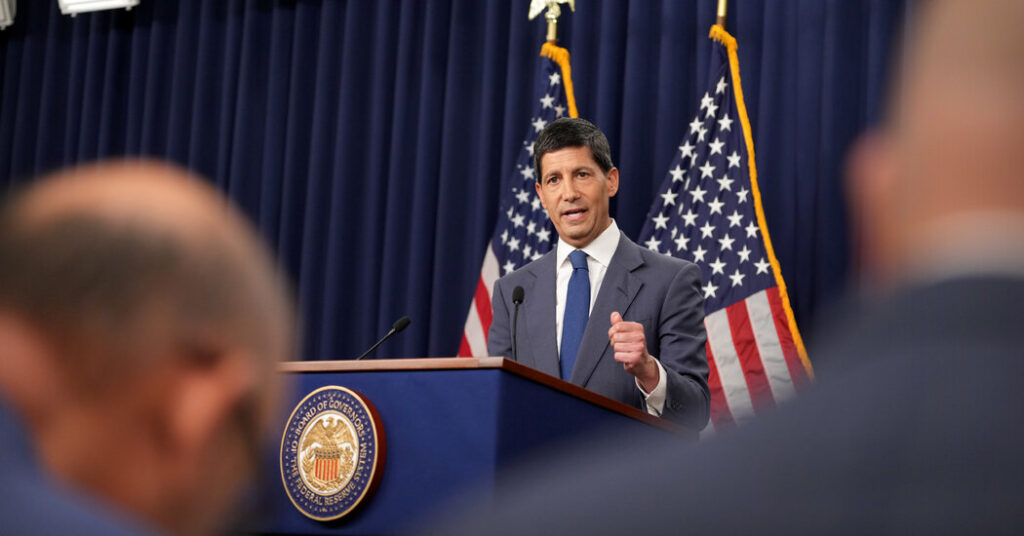
US Borrowing Costs Hit 19-Year High as Fed Holds Rates
window 24h
IN SHORT
Long-term U.S. borrowing costs have reached a 19-year high, with the 30-year Treasury yield nearing 5.24%, its highest point since 2007. This surge follows the Federal Reserve's decision to hold interest rates steady, intensifying investor worries about persistent inflation. In response, investors are heavily engaging with U.S. swap futures, aiming to hedge against potentially prolonged elevated interest rates and the associated impact on borrowing costs and portfolio durations.
✉Newsletter
PiQ Daily
Pick your topics. Get only what matters, on your cadence.
Key Numbers
19-yearhigh for U.S. borrowing costs
5.24%30-year Treasury yield
2007year of previous comparable yield
Who's Involved
Federal Reserve
U.S. central bank holding interest rates steady
Investors
Market participants concerned about inflation and rates
Mortgage investors
Specific investor group hedging against borrowing costs
1 / 2
Key facts
Long-term U.S. government borrowing costs reached a 19-year high.
The 30-year Treasury yield rose to nearly 5.24%.
The 30-year Treasury yield's level is the highest since 2007.
The Federal Reserve held interest rates steady.
Investor concerns about persistent inflation have intensified.
Investors are heavily buying U.S. swap futures.
This activity signals concern that interest rates may remain elevated for an extended period.
Mortgage investors are seeking to hedge against increased borrowing costs.
Hedging is also aimed at the extension of portfolio durations.
Long-term U.S. government borrowing costs have surged to a 19-year high, with the 30-year Treasury yield reaching nearly 5.24%. This marks the highest level for the yield since 2007, reflecting growing investor concerns about persistent inflation and the Federal Reserve's ability to manage it. The Federal Reserve recently decided to hold interest rates steady, a move that appears to have amplified these anxieties.
In parallel, significant activity is observed in U.S. swap futures, with investors heavily buying them early this week. This trend indicates a widespread concern that interest rates may remain elevated for an extended period. Mortgage investors, in particular, are utilizing these futures to hedge against the anticipated increase in borrowing costs. This hedging strategy also addresses the potential for an extension of their portfolio durations, a consequence of higher rates.
The surge in borrowing costs and the hedging activity in swap futures underscore a market sentiment that is increasingly skeptical of the Federal Reserve's inflation control capabilities. The persistence of inflation, coupled with the Fed's decision to maintain current rate levels, has created an environment of uncertainty for long-term investors and borrowers. The 19-year high in the 30-year Treasury yield serves as a stark indicator of this market apprehension.
↳ Why This Matters
Long-term U.S. government borrowing costs have surged to a 19-year high, with the 30-year Treasury yield reaching nearly 5.24%. This marks the highest level for the yield since 2007, reflecting growing investor concerns about persistent inflation and the Federal Reserve's ability to manage it. The Federal Reserve recently decided to hold interest rates steady, a move that appears to have amplified these anxieties.
Frequently asked questions
It indicates that investors are demanding higher returns for lending money to the government over a long period, reflecting concerns about future inflation and the government's borrowing costs.
They fear that without a rate hike, inflation will persist at higher levels for longer, potentially impacting economic stability and the value of investments.
Factors include rising oil prices due to the Iran war and increased spending on artificial intelligence infrastructure, which is driving up prices across the economy.
He reiterated the Fed's commitment to slowing inflation and stated that the target remains 2%, emphasizing that the committee will not waver from this goal.
What Happens Next
01The Federal Reserve will continue to monitor inflation and economic data to inform future interest rate decisions.
02Investors will closely watch Fed communications for further guidance on potential rate adjustments and inflation control strategies.
Get the newsletter.
Pick the topics you actually care about. We'll email when there's news worth your time, on the cadence you choose. Cancel any time from your account.