Key facts
- Japan and the United States have intervened in foreign exchange markets to buy yen.
- This is the first coordinated action by Japan and the U.S. to buy yen in 28 years.
- The intervention aims to stabilize currency and bond markets.
- The yen has fallen to a 40-year low against the U.S. dollar.
- The coordinated action was reportedly agreed upon at 'Reiwa Plaza Accord' talks.
- The last coordinated intervention occurred in 1995.
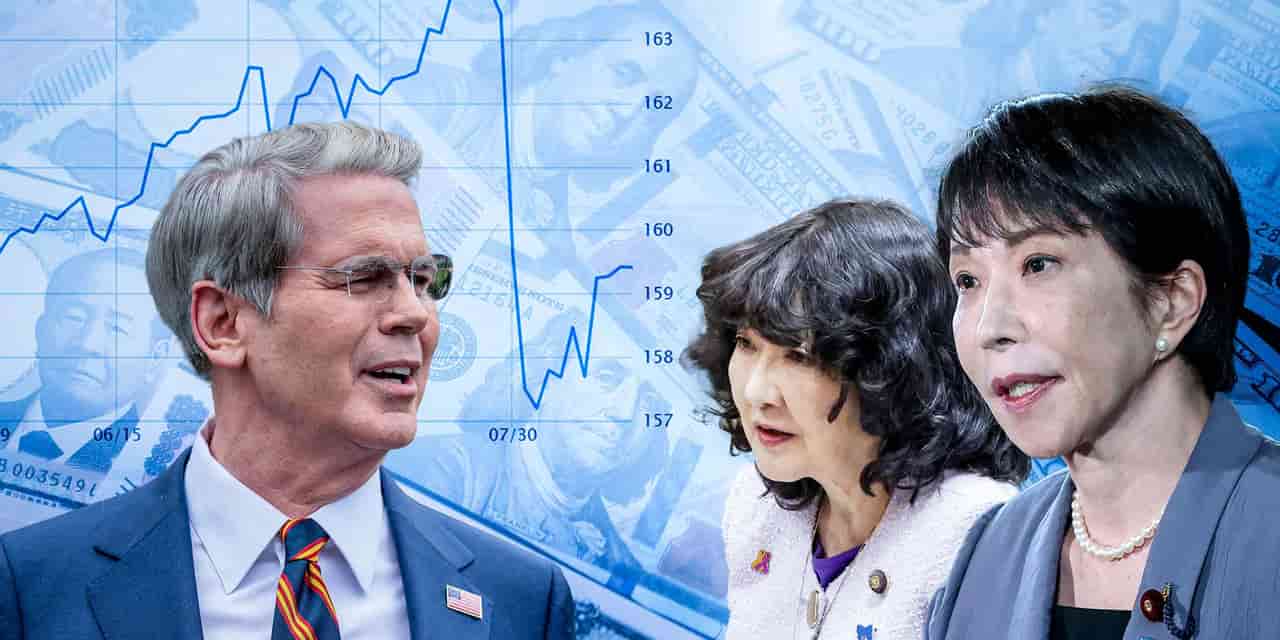
Japan and the United States have undertaken their first coordinated intervention in foreign exchange markets in 28 years to buy yen. This significant action is a direct response to speculative trading that has pushed the Japanese yen to a 40-year low against the U.S. dollar. The intervention is reportedly a result of discussions held at 'Reiwa Plaza Accord' talks, indicating a high level of agreement and coordination between the two economic powers. The primary objective of this joint effort is to stabilize both currency and bond markets, which have been experiencing volatility due to bearish sentiment surrounding the yen. By actively purchasing yen, both nations aim to curb its further depreciation and restore confidence in the Japanese economy. This marks a critical moment in international currency management, as such a coordinated move has not been seen since 1995. The intervention signals a strong stance against unchecked speculative attacks on the yen and underscores the shared interest of Japan and the U.S. in maintaining global financial stability.