Key facts
- Japan aims to have 40% of household financial assets invested by 2040.
- Currently, 23% of Japanese household financial assets are invested.
- The initiative targets stocks, trusts, and bonds.
- The goal is to shift investment away from traditional savings.
- Potential regulatory relaxations are being considered.
- Tax incentives for small investment trusts are being explored.
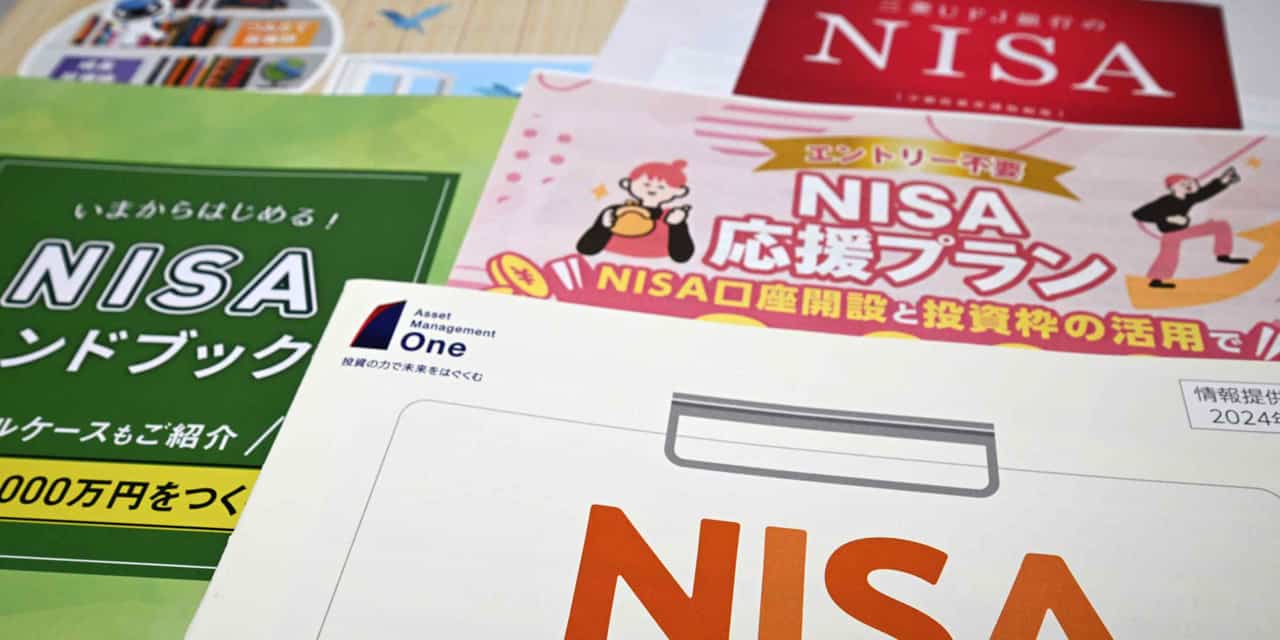
The Japanese government has set an ambitious goal to double the proportion of household financial assets invested in stocks, trusts, and bonds. The target is to reach 40% by the year 2040, a substantial increase from the current 23%. This initiative is designed to encourage a fundamental shift in how Japanese households manage their savings, moving away from a long-standing reliance on traditional savings accounts.
To facilitate this transition, the government is exploring several supportive measures. These include potential regulatory relaxations that could make investment products more accessible and appealing. Furthermore, tax incentives are being considered, specifically aimed at encouraging investment in small investment trusts. These measures are intended to make investing more attractive and less burdensome for individual investors.
This push for increased household investment is part of a broader economic strategy to revitalize the Japanese economy. By encouraging more investment, the government hopes to stimulate capital markets and potentially generate higher returns for individuals compared to low-interest savings accounts. The success of this plan hinges on overcoming ingrained savings habits and building greater investor confidence.