Indonesia's currency, the rupiah, has hit an all-time low of 17,890 against the US dollar, triggering a broader market rout that includes slides in sovereign bonds and stocks. In response, the central bank and finance minister have agreed to boost yields on domestic assets to attract portfolio inflows and support the currency. Investor concerns persist regarding President Prabowo Subianto's spending plans and central bank autonomy. Meanwhile, the weak rupiah is making Indonesia a more attractive destination for Malaysian tourists seeking cheaper goods and holidays.

Indonesia's financial markets are experiencing a significant downturn, with the rupiah reaching an all-time low of 17,890 against the US dollar during early trade. This currency depreciation is part of a broader trend affecting emerging market assets and reflects investor sentiment shifting away from riskier investments. The market rout has deepened, marked by a sharp selloff in sovereign bonds and a decline in stocks, underscoring the challenges policymakers face in restoring investor confidence.
In an effort to stabilize the situation, Indonesia's central bank and finance minister have agreed to increase yields on domestic assets. Governor Perry Warjiyo stated that the objective is to attract portfolio inflows and support the rupiah. While specific details of this strategy remain unclear, the move aims to bring back foreign investment amid the recent record lows for the currency. However, investor concerns persist, particularly regarding President Prabowo Subianto's proposed spending plans and the perceived autonomy of the central bank.
The weak rupiah, however, is creating opportunities for some. It has made Indonesia a more attractive destination for Malaysian tourists and shoppers who are seeking cheaper holidays and goods. The depreciated currency offers advantages for travel, wedding purchases, and even for businesses importing raw materials.
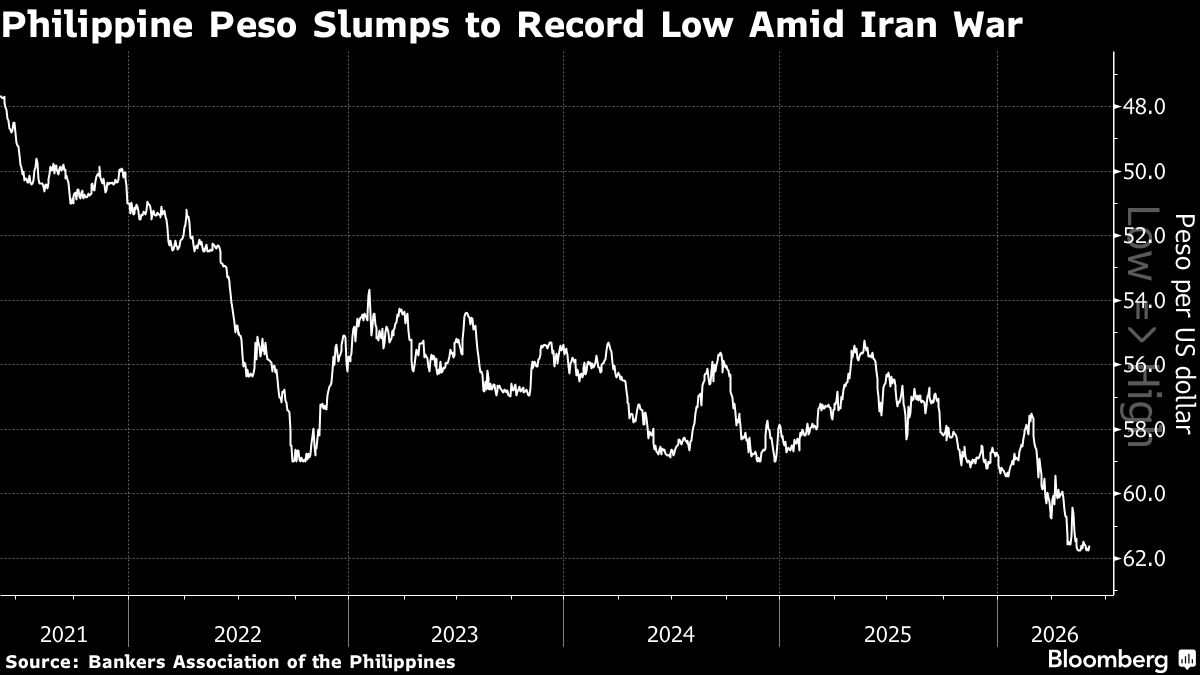
Separately, the Philippine central bank has issued a warning to local banks against using foreign exchange derivatives to speculate on currency volatility, following a recent record low for the Philippine peso against the US dollar. In Australia, the AUD/NZD pair has fallen due to disappointing Q1 partial economic data.
Indonesia's financial markets are experiencing a significant downturn, with the rupiah reaching an all-time low of 17,890 against the US dollar during early trade. This currency depreciation is part of a broader trend affecting emerging market assets and reflects investor sentiment shifting away from riskier investments. The market rout has deepened, marked by a sharp selloff in sovereign bonds and a decline in stocks, underscoring the challenges policymakers face in restoring investor confidence.