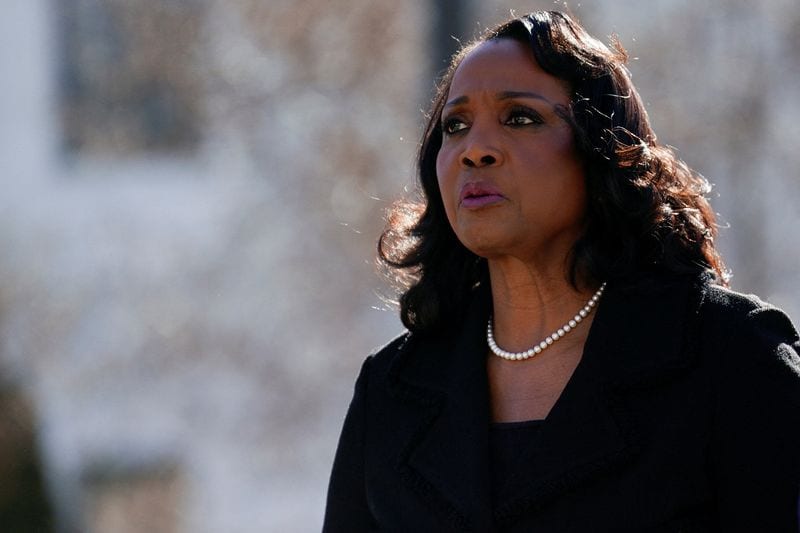
Fed's Cook open to rate hikes if inflation persists
window 24h
IN SHORT
Federal Reserve Governor Lisa Cook expressed openness to further interest rate hikes if inflation remains elevated, prioritizing price stability over potential job market risks. Meanwhile, the Reserve Bank of India held its policy repo rate steady at 5.25%, balancing growth concerns with rising oil prices and slightly increasing its GDP forecast to 6.7%. In a separate development, the Dallas and New York Fed banks are set to pilot a survey of the private credit market following the third quarter to gather data on credit availability and lending standards.
✉Newsletter
PiQ Daily
Pick your topics. Get only what matters, on your cadence.
Key Numbers
5.25%India's policy repo rate
6.7%India's GDP growth estimate
Who's Involved
Lisa Cook
Federal Reserve Governor open to rate hikes
Reserve Bank of India
central bank holding rates steady
Dallas Federal Reserve Bank
piloting private credit market survey
New York Federal Reserve Bank
piloting private credit market survey
1 / 3
Key facts
Federal Reserve Governor Lisa Cook is open to raising interest rates if inflation persists.
Cook believes risks to price stability are higher than risks to the job market.
The Reserve Bank of India maintained its policy repo rate at 5.25%.
The RBI is balancing economic growth with inflation concerns from rising oil prices.
India's GDP growth estimate was marginally raised to 6.7%.
The Dallas and New York Fed banks will pilot a survey of the private credit market.
The private credit market survey will launch after the third quarter.
The survey aims to provide insights into credit availability and lending standards.
Federal Reserve Governor Lisa Cook indicated a willingness to consider additional interest rate increases if inflation does not show signs of cooling. She stated that the risks to price stability currently outweigh those to the job market, suggesting a hawkish stance on monetary policy. Her comments signal that the Federal Reserve remains vigilant about inflation and is prepared to take further action to bring it under control.
In India, the Reserve Bank of India (RBI) decided to maintain its policy repo rate at 5.25%. This decision reflects a careful balancing act between supporting economic growth and managing persistent inflation pressures, which are being exacerbated by rising oil prices. The central bank also revised its GDP growth estimate upwards to 6.7%, indicating a degree of confidence in the country's economic trajectory despite inflationary concerns.
Separately, the Federal Reserve Banks of Dallas and New York are collaborating on a pilot survey of the private credit market. This initiative is scheduled to commence after the third quarter of the year. The primary objective of this survey is to gather crucial data and insights into the current state of private credit, including aspects like credit availability, prevailing lending standards, and the broader implications for the U.S. economy and the effectiveness of monetary policy. The findings are expected to inform future policy decisions and provide a clearer picture of this increasingly important segment of the financial system.
↳ Why This Matters
Federal Reserve Governor Lisa Cook indicated a willingness to consider additional interest rate increases if inflation does not show signs of cooling. She stated that the risks to price stability currently outweigh those to the job market, suggesting a hawkish stance on monetary policy. Her comments signal that the Federal Reserve remains vigilant about inflation and is prepared to take further action to bring it under control.
Frequently asked questions
A reaction function describes how a central bank adjusts monetary policy in response to changes in the economy, outlining what data it monitors and how it interprets economic developments to make decisions.
It helps the public and markets understand the Fed's policy logic, influencing expectations and longer-term interest rates, thereby making monetary policy more effective.
Cook believes the risks to inflation are higher than those to the job market and that inflation may become entrenched if not addressed promptly.
What Happens Next
01The Federal Reserve will continue to monitor inflation and employment data.
02Future FOMC meetings will determine the path of interest rate adjustments.
03Incoming inflation prints and news around geopolitical events will influence rate decisions.
Get the newsletter.
Pick the topics you actually care about. We'll email when there's news worth your time, on the cadence you choose. Cancel any time from your account.