Key facts
- The Federal Reserve maintained its federal funds rate at 3.50%-3.75%.
- Three Federal Reserve members dissented, favoring a rate hike.
- Cleveland Fed President Beth Hammack voted for a rate hike.
- Inflation has remained above the 2% target for over five years.
- The Federal Reserve's policy vote was 9-3 to hold rates steady.
- The U.S. Treasury yield curve steepened after the Fed's decision.
- The Bank of Japan held its short-term policy rate at 1%.
- One member dissented at the Bank of Japan meeting, proposing a hike to 1.25%.
- Bank of Japan Governor Ueda signaled potential further rate hikes.
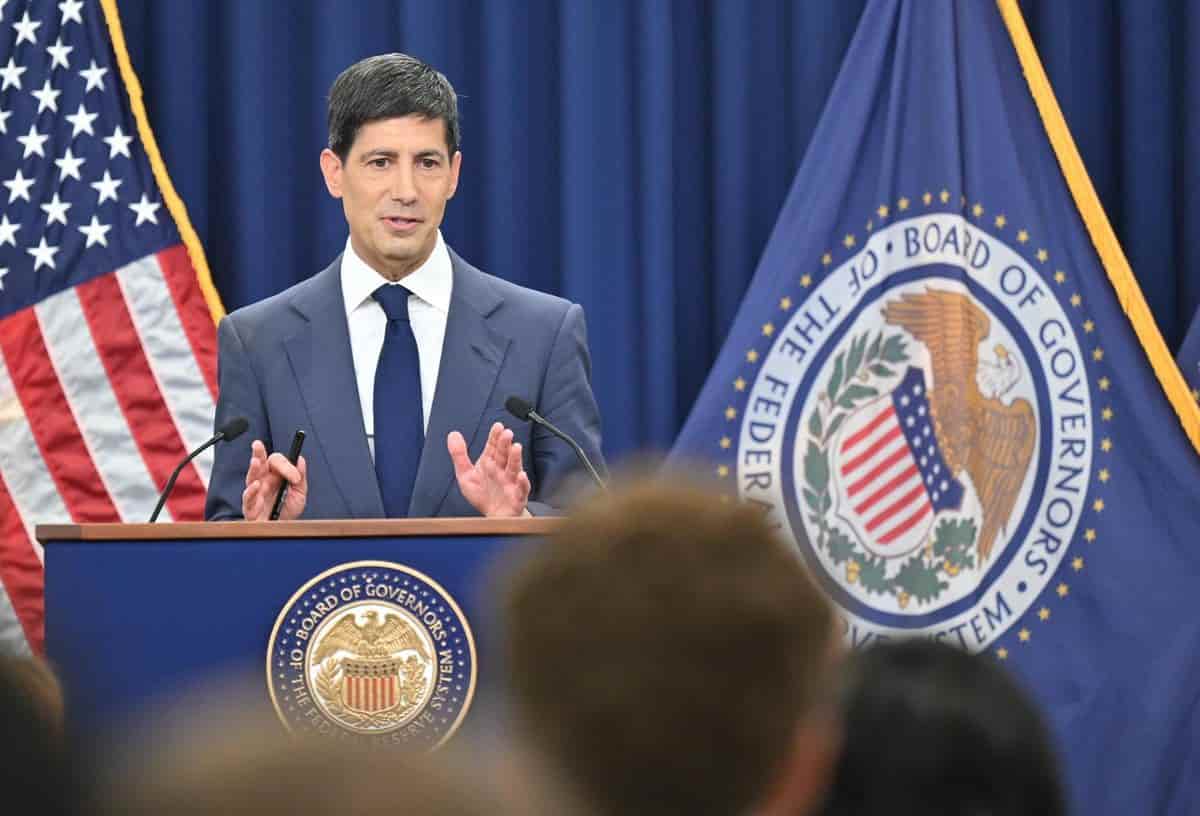
- Kevin Warsh suggested reducing the frequency of Fed policy meetings.
The Federal Reserve decided to maintain its federal funds rate within the 3.50%-3.75% range. This decision was not unanimous, as three members dissented, advocating for a rate hike. Cleveland Fed President Beth Hammack was identified as one of these dissenters, citing persistent inflation above the 2% target and the necessity for tighter monetary policy to control price pressures. The vote count for holding rates steady was 9-3.
In response to the Fed's decision, market reactions included rising bond yields and falling stock indexes. The U.S. Treasury yield curve experienced a sharp steepening, with short-term yields declining and long-term yields increasing. This market movement suggests skepticism regarding the Federal Reserve's commitment to combating inflation. Other central banks are also navigating inflation concerns. The Bank of Japan maintained its short-term policy rate at 1% through an 8-1 vote, with one member dissenting and proposing an increase to 1.25%. Governor Ueda of the Bank of Japan indicated potential future rate hikes and close monitoring of upside price risks.
Federal Reserve officials signaling the need for further rate hikes have pushed Treasury yields to multi-year highs, causing stocks to retreat from earlier gains. Currency markets are observing the situation, with particular attention on potential intervention following Japanese authorities' support for the yen. Separately, Federal Reserve Chair Kevin Warsh has reportedly suggested reducing the frequency of the central bank's interest rate-setting meetings as part of broader operational and communication reforms, according to The New York Times.
Three Federal Reserve officials dissented at the latest policy meeting, advocating for an interest rate hike to combat inflation that has remained above the 2% target for over five years. The policy vote was 9-3 to hold rates steady. The persistent inflation concerns and the dissent among policymakers highlight ongoing debates about the appropriate monetary policy stance.