Key facts
- Federal Reserve Chair Kevin Warsh indicated inflation would be controlled without immediate rate hikes.
- The bond market reacted with a sharp selloff, pushing 30-year Treasury yields to a 19-year high.
- Three of the Fed's 12 voting policymakers dissented on the decision to hold interest rates steady.
- Warsh suggested the Fed's inflation measurement strategy might be reviewed.
- PCE inflation eased to 3.7% in June, while core PCE rose 3.3%.
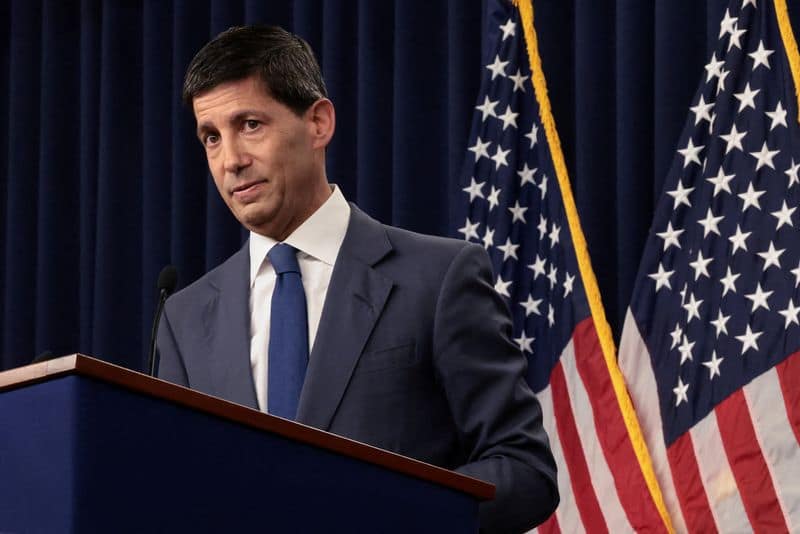
Federal Reserve Chair Kevin Warsh's recent statements on inflation, coupled with a lack of clear signals for interest rate hikes, have led to a significant selloff in the bond market. This situation presents Warsh with a difficult choice: either align with President Donald Trump's preference for looser monetary policy or confront a growing number of central bankers advocating for tighter conditions. Warsh's remarks also hinted at a potential shift in the Fed's long-standing inflation benchmark, the 2% year-over-year rise in the Personal Consumption Expenditures Price Index, suggesting a review of strategy might occur after January. This uncertainty, combined with the absence of concrete action to curb inflation, contributed to 30-year Treasury yields exceeding 5.2%, a level not seen in 19 years. Analysts view this market reaction as a vote of no confidence in the Fed's ability to manage inflation. Some policymakers, including Dallas Fed President Lorie Logan and Cleveland Fed President Beth Hammack, have already expressed discomfort with the current stance, and further commentary is expected. While PCE inflation saw a slight easing in June, policymakers remain concerned about upward price pressures from global conflicts and technological investment.