Key facts
- More central banks plan to decrease dollar holdings than increase them over the next decade.
- Central banks cite rising political risks and U.S. policy uncertainty as reasons for reducing dollar holdings.
- A survey by the Official Monetary and Financial Institutions Forum revealed this trend.
- This is the first time more central banks plan to decrease dollar holdings than increase them.
- Market participants expect a quiet quarter-end for Federal Reserve liquidity facilities.
- Ample central bank cash and subdued volatility are cited as reasons for the expected calm.
- Typical month-end pressures are expected to be minimal.
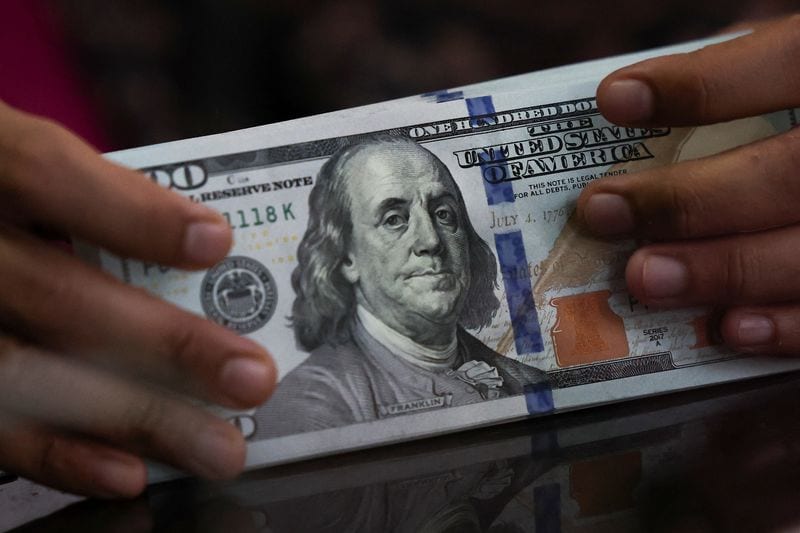
A notable shift in global central bank strategy regarding U.S. dollar holdings is emerging, according to a survey by the Official Monetary and Financial Institutions Forum (OMFIF). For the first time in recorded surveys, a majority of central banks indicate plans to reduce their dollar reserves over the coming decade. This sentiment is primarily attributed to increasing political risks and uncertainty surrounding U.S. policy decisions. The survey suggests a growing desire among monetary authorities to diversify away from the dollar.
In parallel, market participants are forecasting a tranquil period for Federal Reserve liquidity facilities as the current quarter concludes. This expectation of a calm quarter-end is underpinned by the presence of substantial central bank cash reserves within the financial system. Furthermore, market volatility is expected to remain subdued, which typically reduces the demand for central bank liquidity. This contrasts with the more common pressures experienced during typical month-end periods, which are anticipated to be minimal on this occasion.