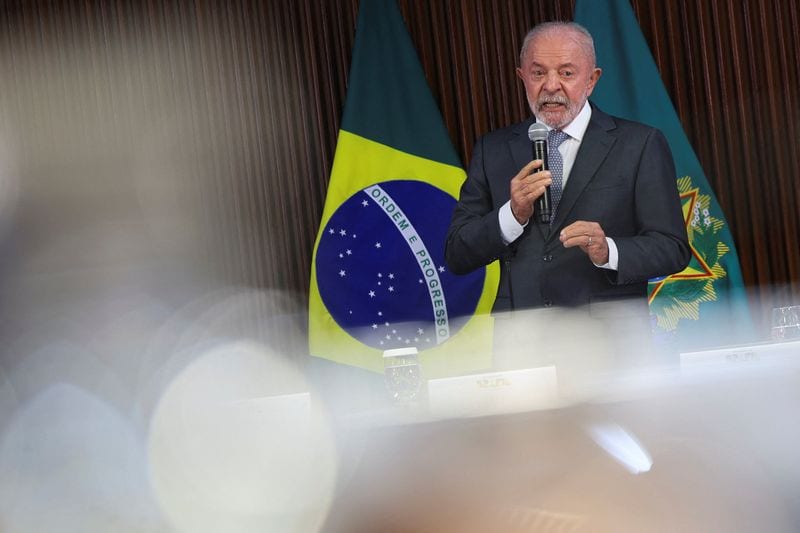
Key facts
- Brazil's fiscal targets will be unfeasible from 2028 without new measures.
- Mandatory spending is outpacing cost containment efforts.
- The warning comes amid calls for stronger fiscal discipline.
- Public debt is rising under President Luiz Inacio Lula da Silva.
- The Treasury issued the warning.
- The situation highlights concerns over the sustainability of Brazil's public finances.
Brazil's Treasury has issued a stark warning, stating that the nation's fiscal targets will become unfeasible from 2028 onward unless new measures are implemented. The primary driver for this projection is the relentless growth of mandatory spending, which is currently outpacing the government's cost containment efforts. This fiscal imbalance poses a significant challenge to the administration of President Luiz Inacio Lula da Silva.
The warning from the Treasury arrives at a time when there are increasing calls for greater fiscal discipline within Brazil. Public debt has been on a rising trajectory, adding to concerns about the long-term sustainability of the country's financial health. The current fiscal framework appears insufficient to manage the projected expenditures beyond 2028 without intervention.
The situation underscores a broader concern regarding Brazil's public finances. The gap between mandatory expenditures, such as pensions and salaries, and the government's ability to control these costs is widening. Without proactive policy changes, the Treasury's assessment indicates a path toward fiscal unsustainability, potentially impacting economic stability and investor confidence.