Key facts
- Long-term US Treasury yields jumped significantly.
- The 30-year US Treasury yield reached its highest level since 2007.
- Investors are concerned the Federal Reserve may not be doing enough to combat inflation.
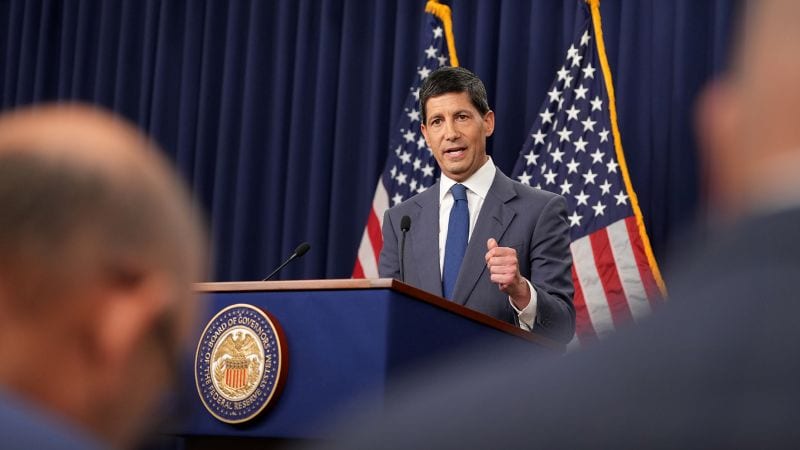
- Federal Reserve Chair Kevin Warsh made remarks that sparked investor concern.
- The U.S. economy expanded at a 1.5% annualized rate in the second quarter.
- The second quarter's economic growth was a slowdown from the previous quarter.
- Rising imports and persistent inflation weighed on U.S. economic growth.
- Consumer spending showed resilience in the second quarter.
Long-term U.S. Treasury yields experienced a significant surge, with the 30-year yield reaching its highest level since 2007. This movement followed remarks made by Federal Reserve Chair Kevin Warsh, which appear to have heightened investor concerns regarding the central bank's approach to combating persistent inflation. Investors are questioning whether the Federal Reserve is taking sufficient action to control rising prices.
In parallel, the U.S. economy demonstrated a slowdown in its growth rate. The economy expanded at a 1.5% annualized rate during the second quarter. This represents a deceleration compared to the growth observed in the preceding quarter. Factors contributing to this slowdown include an increase in imports and the continued presence of inflation, which collectively exerted pressure on economic expansion. Despite these headwinds, consumer spending exhibited a degree of resilience, offering a counterpoint to the broader economic deceleration.