Key facts
- The Federal Reserve maintained its benchmark interest rate at current levels.
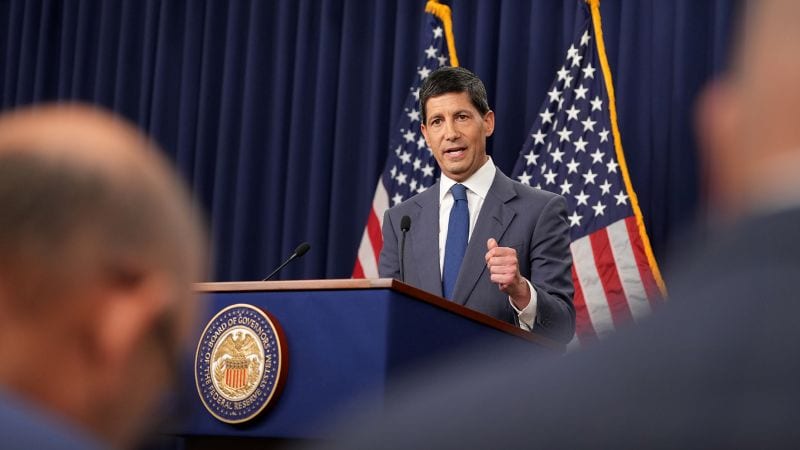
- Fed Chair Kevin Warsh reiterated the commitment to a 2% inflation target.
- Long-term Treasury yields, including the 30-year and 10-year, saw significant increases.
- The 30-year US Treasury yield reached its highest point since 2007.
- Stock markets experienced a sharp decline following the Fed's announcement and Warsh's comments.
- Market expectations for a September rate hike decreased.
Bond yields surged and stocks tumbled after Federal Reserve Chairman Kevin Warsh reiterated the central bank's commitment to its 2% inflation target, but offered little in the way of new guidance on future policy. The market interpreted the lack of clear direction as a sign that the Fed might not be aggressive enough to combat persistent inflation, particularly in light of recent supply shocks from rising oil prices.
During Warsh's remarks following the Fed's policy meeting, the 30-year US Treasury yield jumped from around 5.1% to 5.21%, its highest level since 2007. The 10-year yield rose from just above 4.61% to nearly 4.69%. In contrast, the two-year yield, which reflects expectations for Fed policy, dipped slightly. The surge in long-term yields indicates that traders are demanding more compensation for the risk of inflation eroding their returns.
Investors are concerned that the Fed's tools are less effective against supply-driven inflation, such as that caused by geopolitical tensions in the Middle East impacting oil prices. Despite Warsh's insistence on taming inflation, markets are showing impatience, with traders questioning the Fed's actions. The heightened volatility also comes as Warsh has expressed a preference for less forward guidance from the central bank, suggesting markets should interpret real-time events rather than rely on Fed messaging.
The market reaction was swift and negative across asset classes. The Dow Jones Industrial Average fell more than 1,100 points, marking its worst day in over a year. The dollar index also declined. Market pricing for a September rate hike by the Fed decreased to 57% from nearly 70% earlier in the day.