Key facts
- Treasury yields are hovering around 4.7% as investors question Federal Reserve Chair Kevin Warsh's stance on inflation.
- The FOMC held interest rates steady for the fifth consecutive meeting.
- Warsh's press conference comments led to investor uncertainty about the Fed's strategy to tame inflation.
- Yields on 10-year Treasury notes rose 4 basis points following the Fed's decision.
- Some analysts believe the Fed's task forces may be a cover to redefine the inflation challenge.
- CMBS delinquencies rose 51 basis points to 7.86% in July.
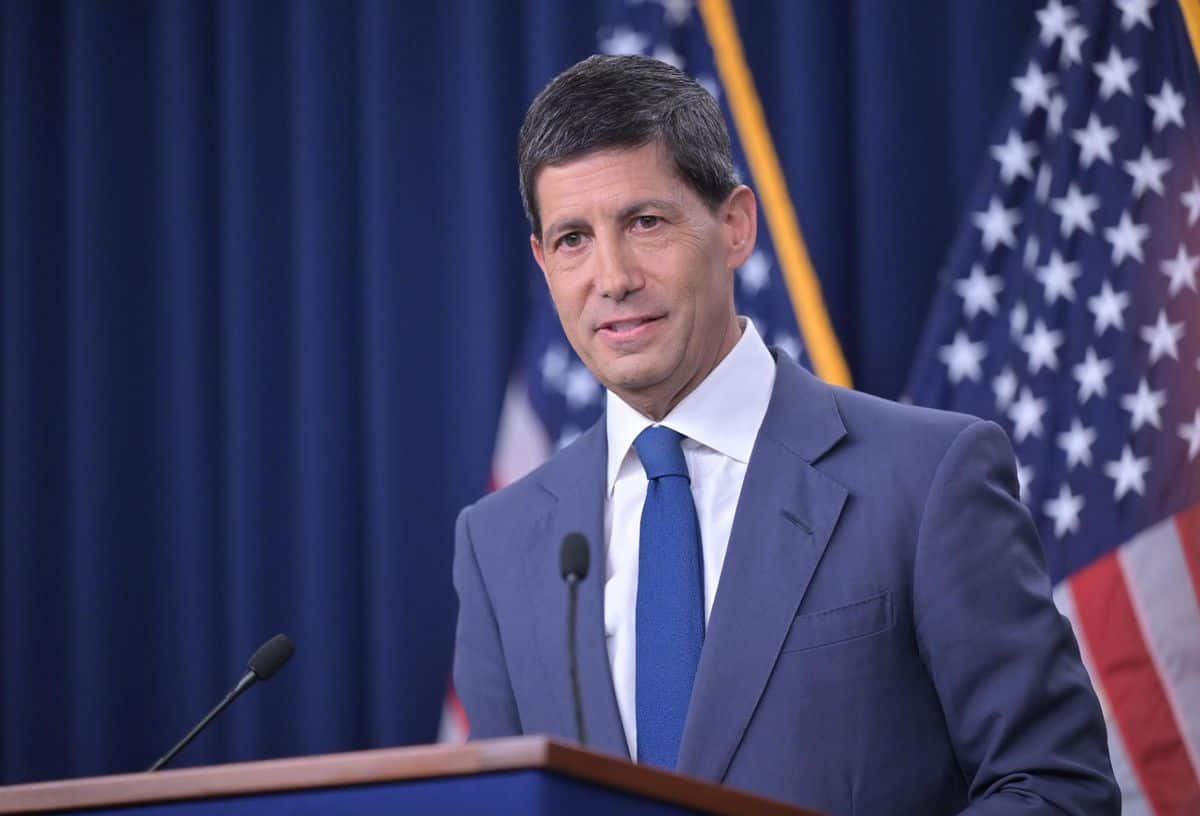
Treasury yields are hovering around 4.7% as investors grapple with uncertainty following the Federal Reserve's latest decision to hold interest rates steady for the fifth consecutive meeting. Comments from new Federal Reserve Chair Kevin Warsh during his press conference have led to questions about the central bank's commitment and strategy to combat persistent inflation.
Analysts at Evercore ISI described Warsh as potentially being a "dove in hawk's clothing," suggesting that his remarks implied a less aggressive stance on inflation than anticipated. This uncertainty has spooked investors, contributing to a rise in yields on 10-year Treasury notes, which edged up 4 basis points to flirt with 4.75%.
Krishna Guha, head of central banking strategy at Evercore ISI, noted that the bond market's reaction is primarily driven by questions surrounding the Fed chair's intended strategy for achieving price stability. Investors are concerned about the Fed's ability to raise rates amidst high inflation and potential political pressure to ease monetary policy.
Former St. Louis Fed President James Bullard commented that Warsh's focus on the inflation target without explicitly stating readiness to act was not well-received by markets. J.P. Morgan Chief Economist Michael Feroli expressed a pessimistic view, suggesting that the newly established task forces might serve to redefine the inflation challenge, potentially undermining the new chair's credibility.
The implications of diminished Fed credibility on inflation could lead to further increases in longer-dated Treasury yields, consequently raising borrowing costs across various sectors, including commercial real estate. CMBS delinquencies saw an uptick of 51 basis points to 7.86% in July, according to Trepp, signaling a shift from a period of relative stability.
Despite the Fed's long-standing 2% inflation target, achieving it has been challenging. Recent data showed core PCE inflation at 3.3% in June, a modest 0.1% month-over-month increase. However, Warsh's apparent reluctance to commit to specific actions based on upcoming data was viewed by investors as a potential sign of less commitment to fighting inflation than expected.
In a memo, Bank of America economist Aditya Bhave suggested that the need to re-establish credibility might increase the likelihood of a September rate hike. The FOMC saw dissent from three members, including Cleveland Fed President Beth Hammack, Minneapolis Fed President Neel Kashkari, and Dallas Fed President Lorie Logan, who advocated for a quarter-point hike to address persistent inflation.