Key facts
- The Bank of Japan is anticipated to raise interest rates.
- A weak yen will amplify the cost of energy imports.
- Global growth forecasts are revised downward due to energy price shocks.
- AI adoption is seen as a potential upside risk to growth.
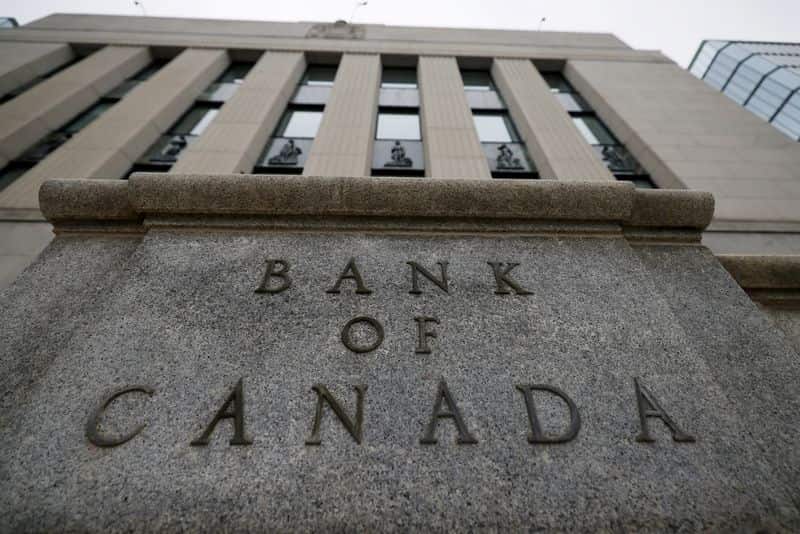
- The Bank of Canada will maintain a nimble monetary policy stance.
- Policymakers will address potential impacts from U.S. trade restrictions.
- Policymakers will address potential impacts from energy prices.
- May inflation exceeded the target range in Canada.
- Inflationary pressures outside of energy were contained in Canada.
- The Canadian economy shows signs of returning to growth.
The Bank of Japan is expected to raise interest rates, a decision that will likely amplify the cost of energy imports due to the yen's weakness. This potential move occurs as global growth forecasts are being revised downward, largely attributed to energy price shocks. However, the adoption of artificial intelligence (AI) is identified as a factor that could offer an upside risk to growth.
In Canada, the Bank of Canada's policymakers have agreed to maintain a nimble monetary policy stance. This approach is intended to address potential impacts stemming from U.S. trade restrictions and fluctuating energy prices. Despite inflation exceeding the target range in May, the council observed that inflationary pressures outside of the energy sector were contained. The Canadian economy is also showing signs of returning to growth.