Key facts
- The Japanese yen is trading near a 40-year low against the U.S. dollar.
- Japanese authorities may intervene to support the yen.
- The U.S. dollar has stabilized due to reduced expectations of Federal Reserve rate hikes.
- A weaker U.S. jobs report has influenced market sentiment.
- The yen reached 162.11 against the dollar, nearing the 1986 low of 162.84.
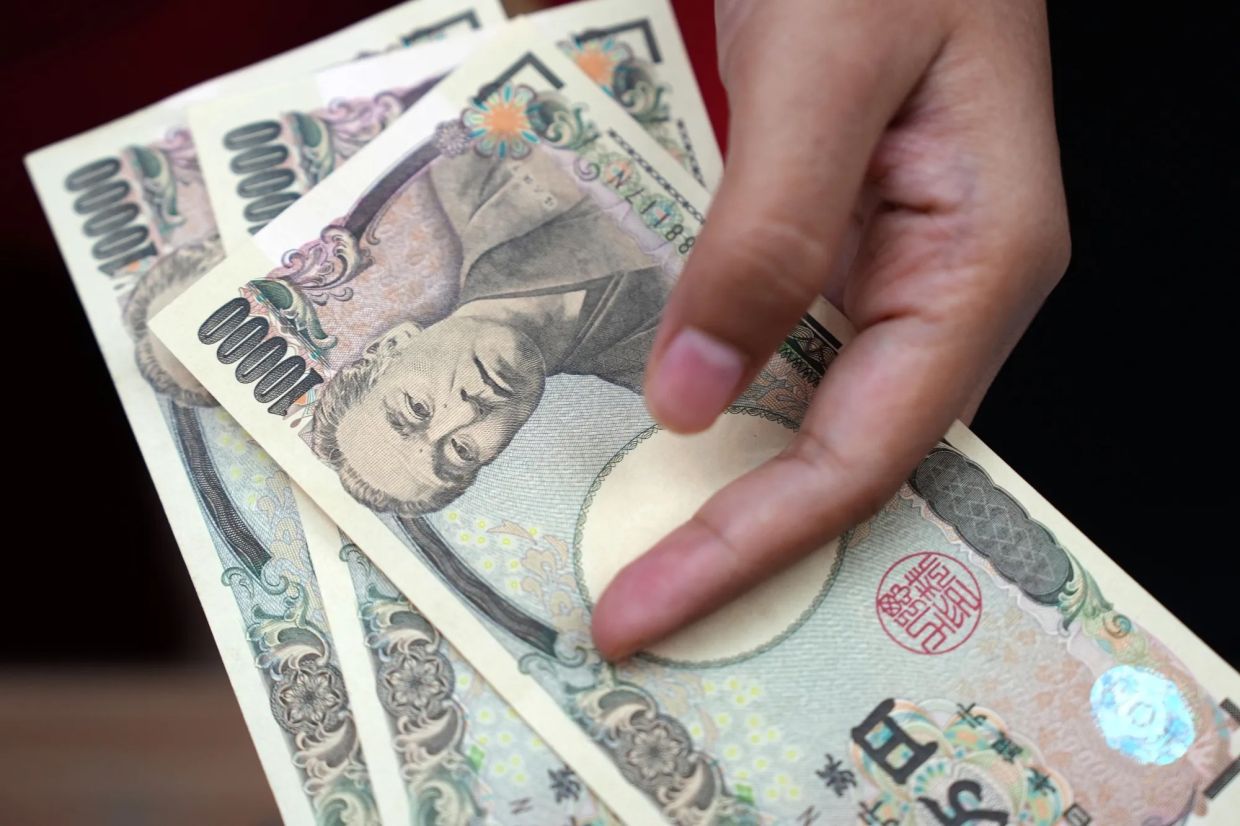
The Japanese yen was trading near a four-decade low against the U.S. dollar, fueling concerns about potential intervention by Japanese authorities. The dollar index, measuring its strength against a basket of other currencies, steadied after experiencing recent losses. This stabilization comes as investors have begun to reduce their expectations for further U.S. interest rate hikes following a recent jobs report that indicated slower-than-expected growth in the U.S. labor market. The yen reached 162.11 per dollar, a level not far from the 1986 low of 162.84. Traders remain cautious due to the possibility of intervention, especially after a brief period of buying had previously lifted the yen. The euro held near a two-week high against the dollar at $1.1429, and sterling was trading at $1.3338. Analysts suggest that while intervention is a possibility if currency volatility increases, the underlying trend of yen weakness is driven by Japan's accommodative monetary policy and the significant interest rate differential with the United States. Some strategists believe that any intervention might not provide lasting support for the yen. The dollar's pause follows its worst weekly performance since April, largely attributed to the June payrolls report. Market participants are now awaiting the minutes from the Federal Reserve's June meeting and upcoming inflation data for further clues on the future path of U.S. monetary policy. Elsewhere, the New Zealand dollar weakened ahead of an anticipated interest rate hike by the Reserve Bank of New Zealand.